

-
Workplaces are constantly changing. A space that hosts a brainstorming session in the morning may transform into a training area in the afternoon and a collaborative workshop later in the day. As the ways people work continue to evolve, the environments around them need to become more adaptable as well.
This question became the starting point for CAKES, a flexible seating system designed by Wanru Zhao, Senior Industrial Designer at Sunon European R&D Center.
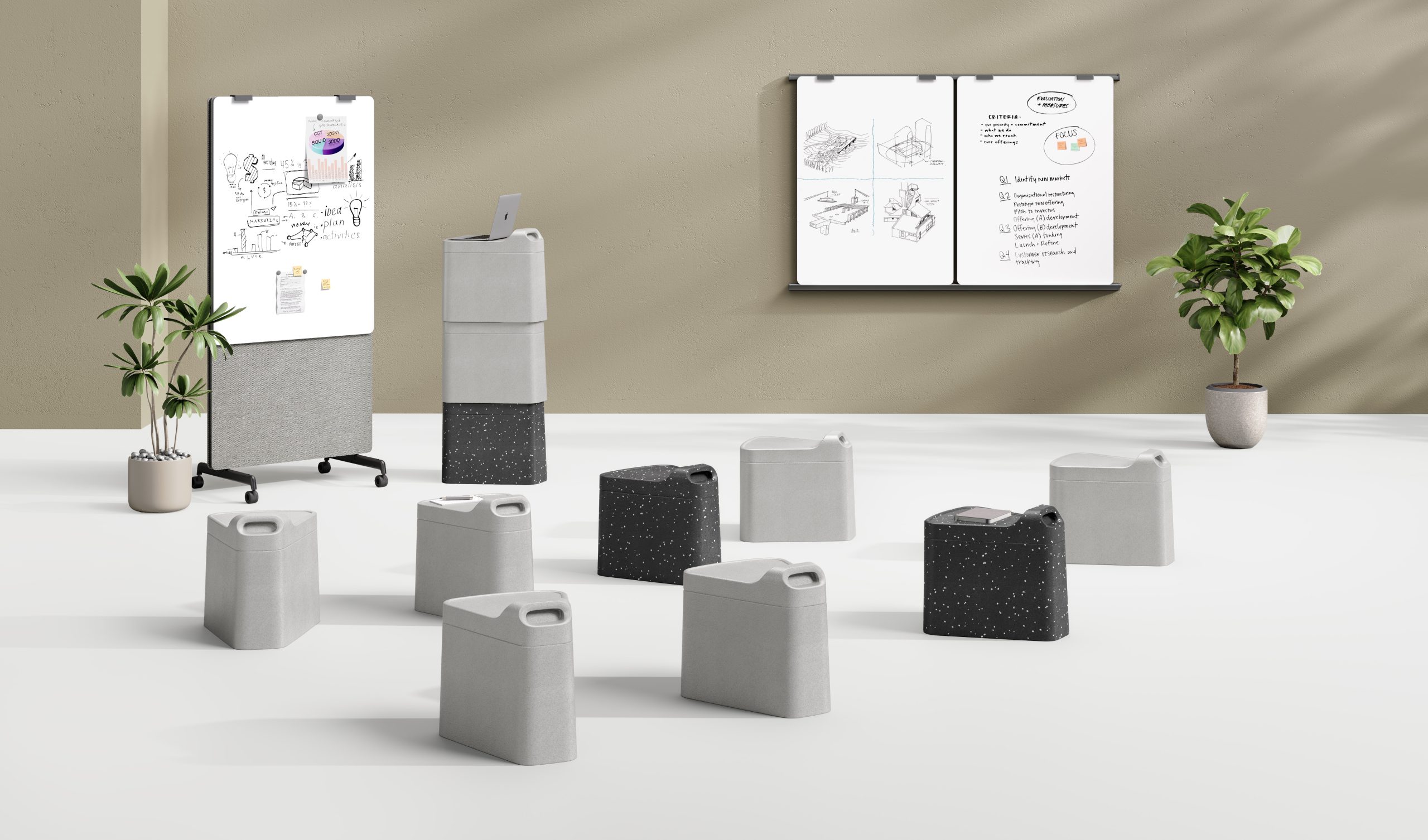
Rather than creating another fixed piece of furniture, Wanru Zhao approached CAKES as a tool that gives people the freedom to reshape their surroundings. By combining mobility, simplicity and versatility, CAKES helps spaces respond naturally to different activities and changing needs.
Designing a Tool for Flexible Spaces
“Flexible spaces need flexible tools.”
For Wanru Zhao, the challenge was not simply creating a lightweight seat, but designing a product that could actively support the way people use spaces.
Traditional furniture often remains fixed even when workplaces become more dynamic. It can be heavy to move, difficult to combine and limited in how it supports different scenarios.
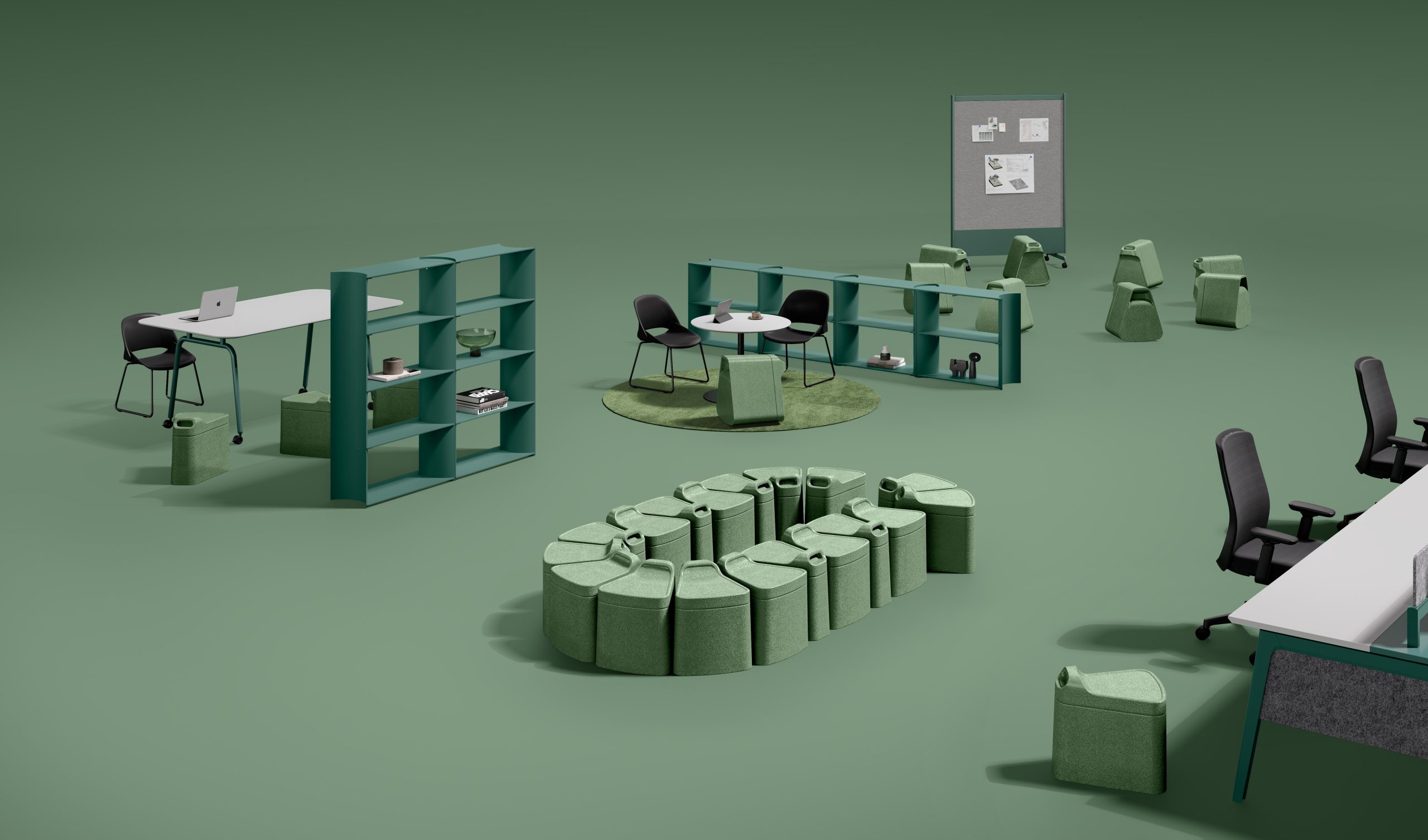
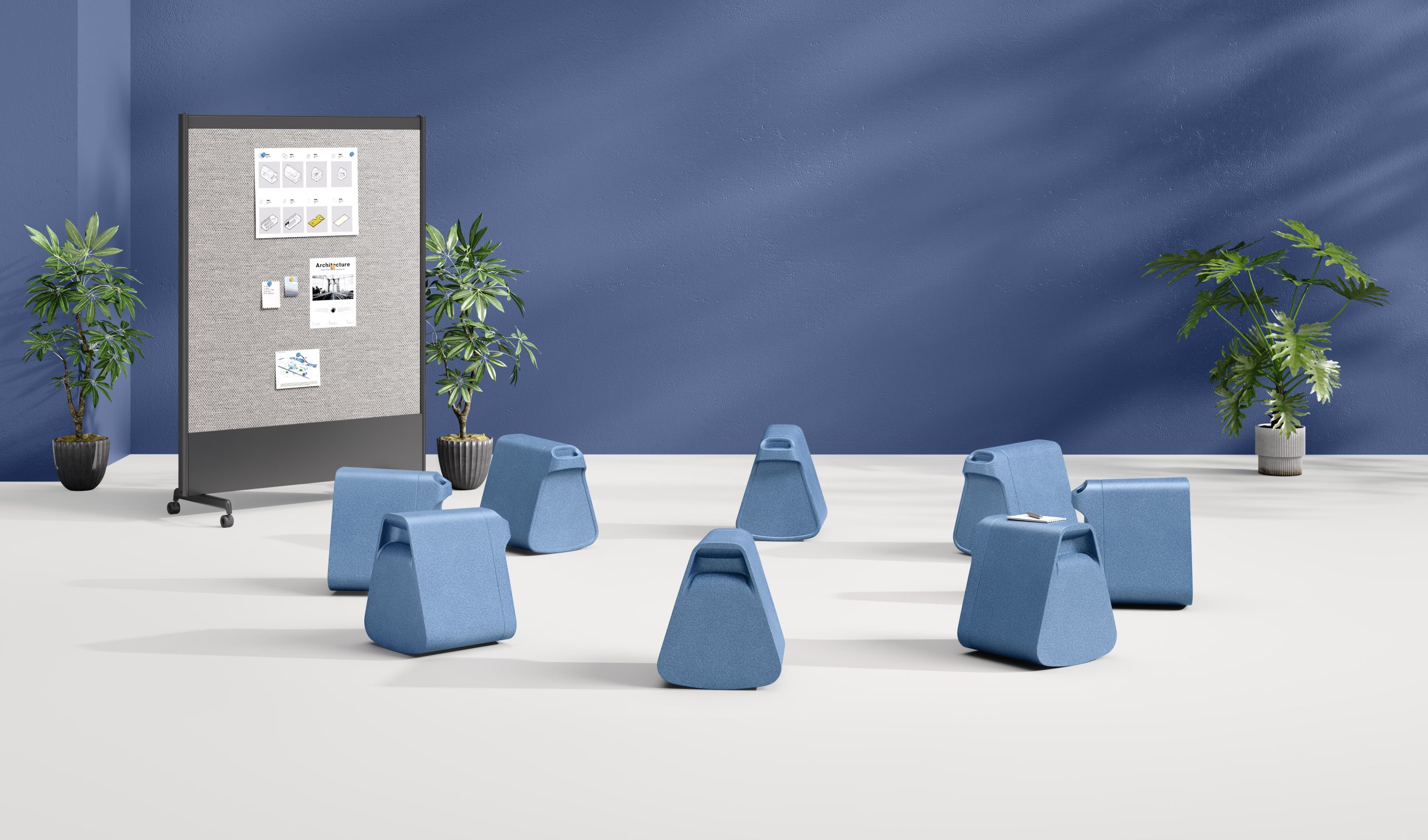
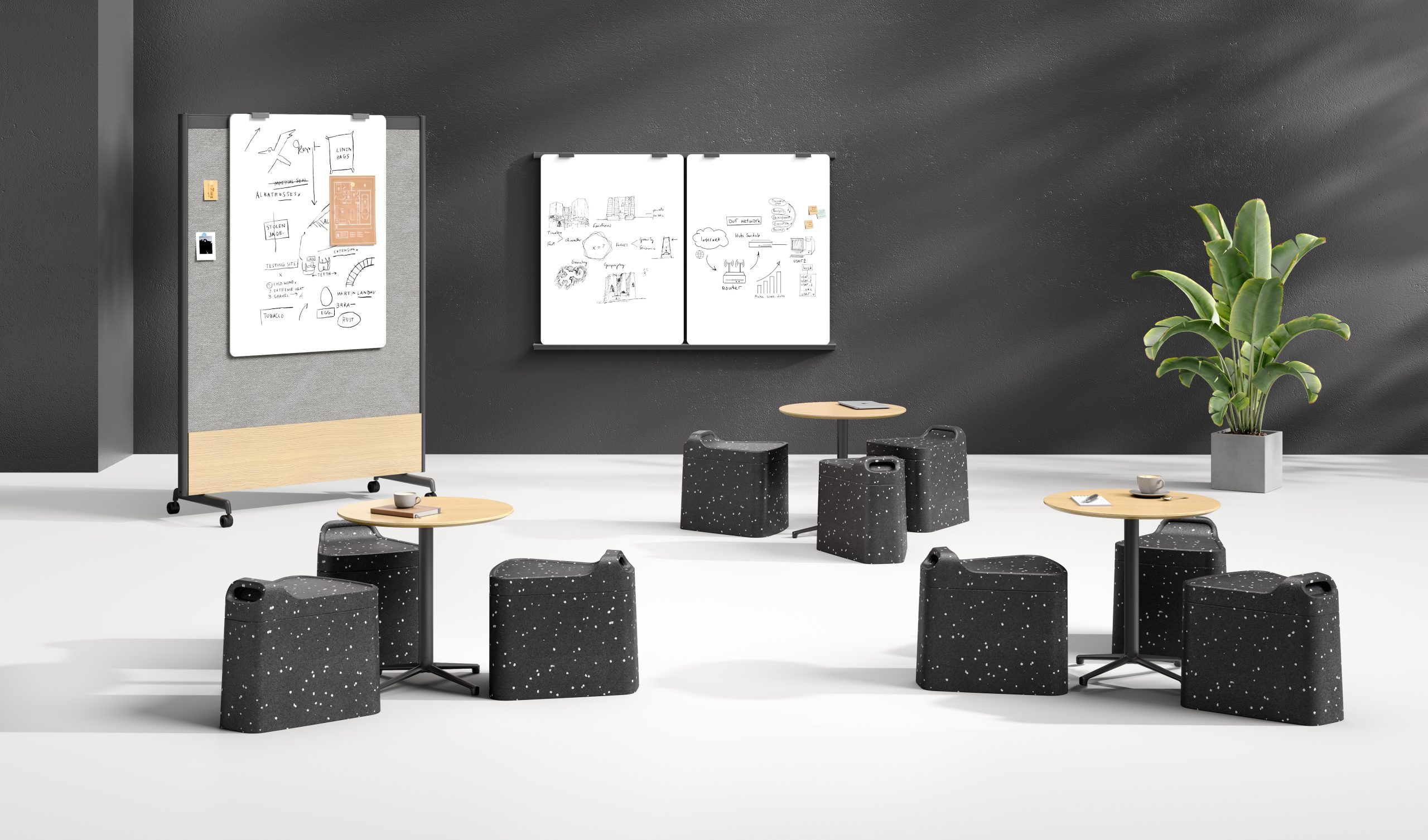
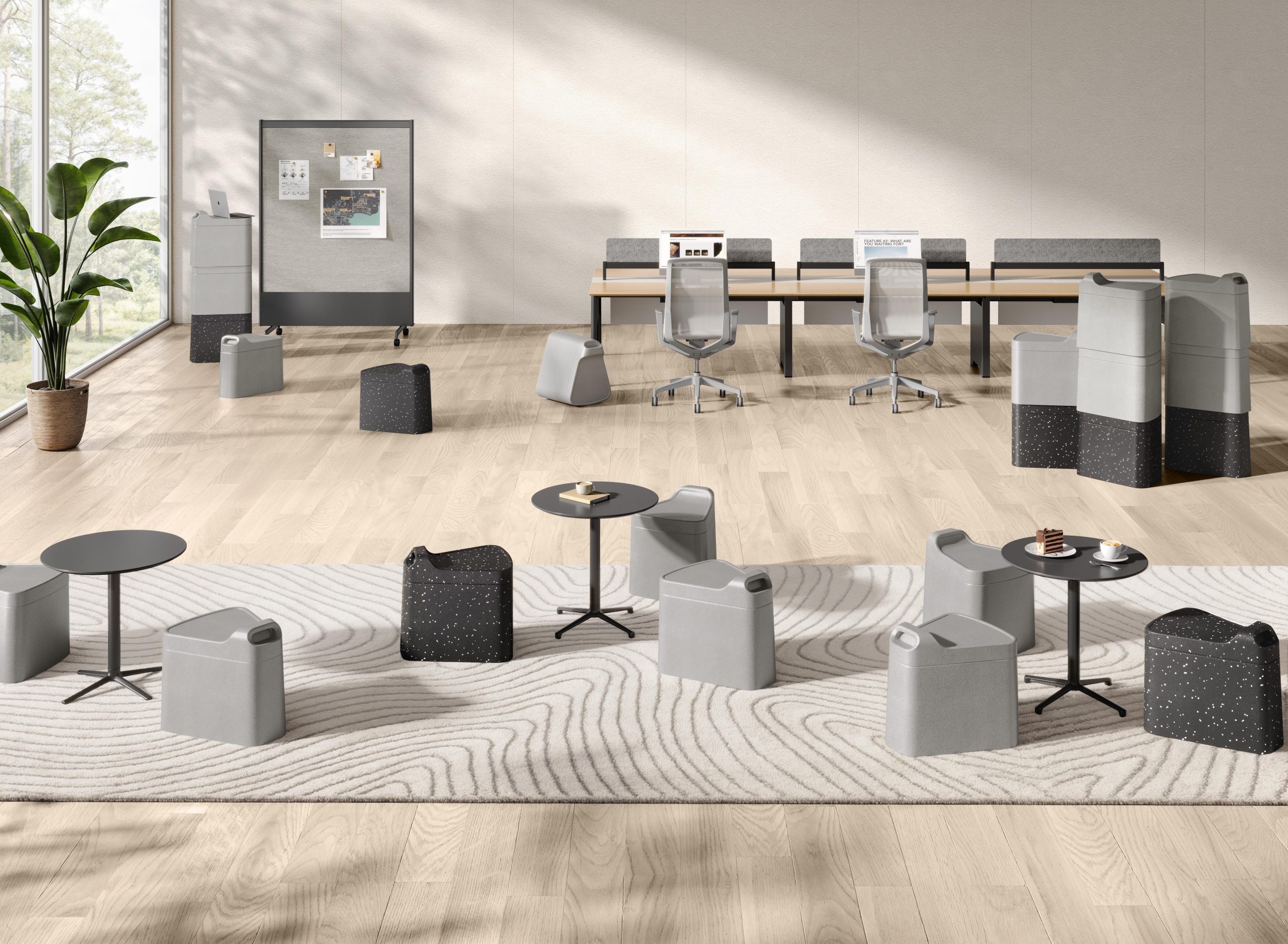
CAKES was developed to overcome these limitations. Each unit can be easily moved, stacked and rearranged, allowing users to create different spatial settings whenever needed.
A single piece works as an individual seat. Multiple pieces can become temporary work surfaces, presentation platforms or collaborative arrangements. Whether supporting workshops, discussions, waiting areas or informal interactions, CAKES gives people the ability to shape spaces around their activities.
When Simplicity Has a Reason Behind It
At first glance, CAKES appears simple. However, its simplicity is the result of continuous exploration and refinement.
During the design process, Wanru Zhao looked beyond traditional office furniture and studied objects that naturally encourage movement, interaction and play, including outdoor furniture, children’s toys, fitness equipment and camping gear.
These references shared a common quality: they are intuitive, approachable and designed around human behavior.
One of the key discoveries came from observing how small movements can influence the experience of sitting. The idea of a gentle rocking motion emerged from this exploration, introducing a more relaxed and natural way of interacting with the seat.
Through full-scale prototypes, every element was carefully tested, from proportion and height to angles, surfaces and stacking methods, ensuring that the final form was not only visually clear but also intuitive in use.
Every Detail Has a Purpose
The distinctive raised form on the seat reflects the design philosophy behind CAKES: every element should have a reason to exist.
More than a visual feature, it creates a natural grip for moving and stacking, while also providing subtle support when used as a backrest. This small detail represents the balance between simplicity and functionality that defines the overall design.
Made from 100% recyclable EPP material, CAKES weighs only 1.6 kg, making it lightweight, easy to move and convenient to store. Its responsible material choice further supports a more flexible and sustainable approach to workplace design.
Designed for Spaces That Keep Evolving
CAKES represents a new perspective on how furniture can support modern workplaces.
Instead of defining how a space should be used, it allows people to continuously adapt and transform their environment. Through thoughtful design and purposeful simplicity, CAKES turns flexibility into an everyday experience.
For Sunon, the future workplace is not about creating fixed solutions, but about designing tools that empower people to create spaces that evolve with them.


-
Products
 Desks + Workstations
 Storage
 Architecture+Space Division
 Accessories
 - Space
- Inspiration
- Sustainability
- Resource
- About Us
-
Products
Desks + Workstations
Storage
Architecture+Space Division
Accessories
- Space
- Inspiration
- Sustainability
- Resource
- About Us
- Showrooms
- Dealer Login
- Contact