If your teams are already complaining about back pain, pressure points, or poor arm support, chair-first upgrades usually deliver the fastest comfort gains. If the deeper problem is fixed desk height, weak space planning, or shared workstations that do not fit different users, system-first changes often create broader long-term improvement. In other words, the right path depends on whether you need fast personal relief or a larger reset of how people work.
Large offices rarely have one single comfort problem. One department may need better ergonomic seating solutions right away, while another may be losing time because its benches, screens, and storage do not support the workflow. A wrong rollout priority can fix symptoms in one team while leaving the wider workstation problem untouched.
Should Large Offices Upgrade Chairs First?
Chair-first is usually the better move when you need visible relief fast and you cannot disrupt the floor plan. Swapping task chairs is simpler than rebuilding workstation systems, and it lets you target the people with the highest daily sitting load first. That makes this route practical for complaint reduction programs, phased ergonomic corrections, and offices that must stay operational during the rollout.
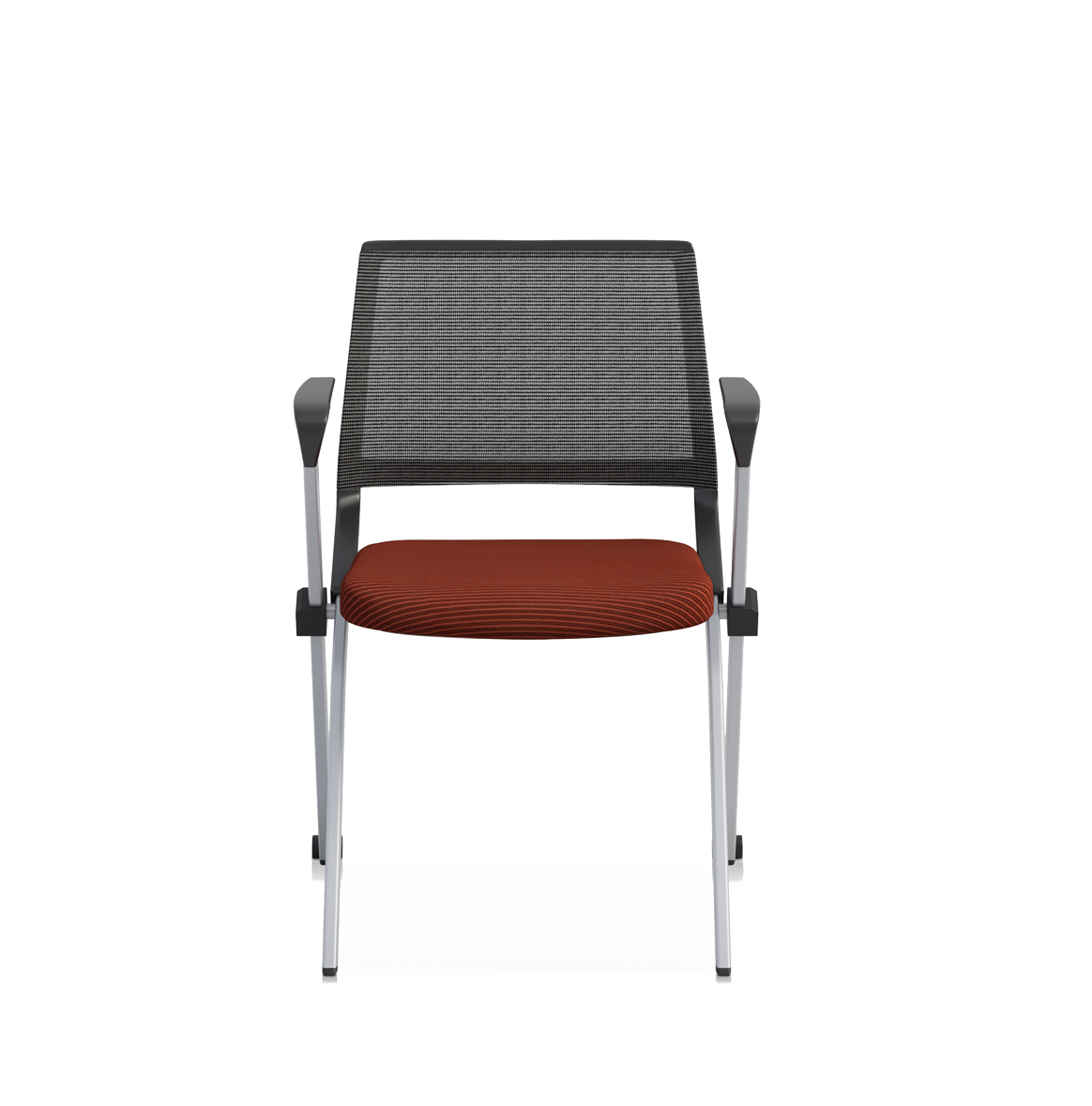
Sunon has enough seating depth to support this approach without forcing a one-model plan. The H7 Task Office Chair is built for long desk sessions with dynamic lumbar support, 42 mm horizontal lumbar adjustability, a 71 mm backrest adjustment range, 4D armrests, and fit guidance for users from 150 cm to 190 cm. The Power ergonomic desk chair adds another profile, with a 20-degree back tilt, four locking positions, 90 mm seat-height lift, 52 mm seat slide, 3D armrests, and a 95 mm headrest lift range. Those features matter because chair-first works best when you can tune support to different bodies instead of issuing one static chair to everyone.
Beyond individual ergonomic features, Sunon’s seating solutions have also received recognition from international design organizations. Several Sunon chair products have won awards including the iF Design Award, German Design Award, Good Design Award, and A’Design Award, reflecting the company’s focus on combining ergonomic performance, user experience, and workplace aesthetics. This design recognition provides additional confidence for organizations looking to standardize seating across large office environments.
Where chair-first delivers the clearest gains
- Faster personal relief for heavy computer users
- Lower disruption than workstation replacement
- Easier pilots by team or department
- Better fit for posture, fatigue, and pressure complaints
- Weaker impact on layout, circulation, and shared-desk behavior
System-First Planning Changes More Than Seating
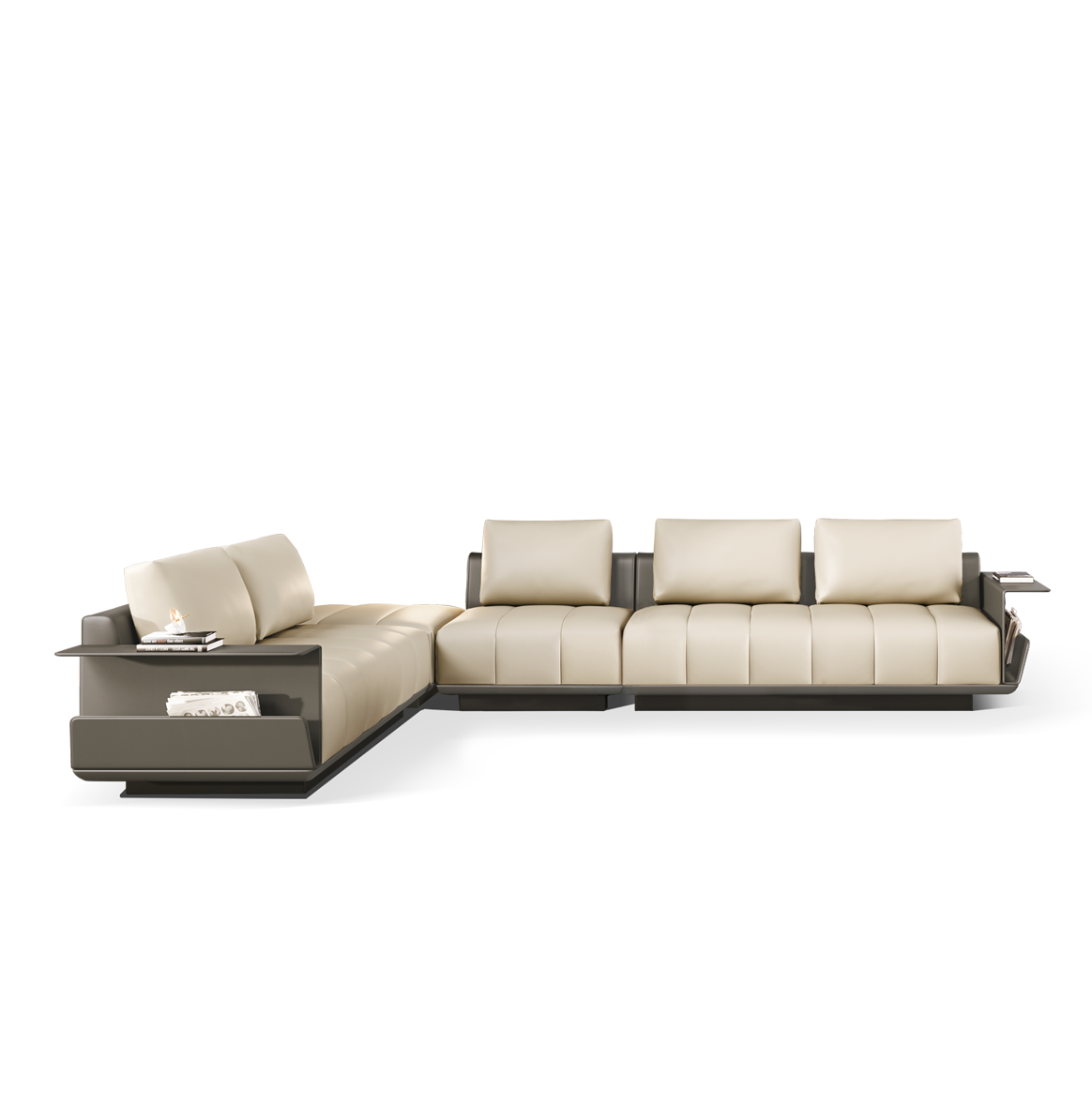
System-first usually makes more sense when your office comfort issue is structural. A better chair cannot fix a desk that is too high, a bench that blocks movement, or a shared zone with poor boundaries and limited adjustability. Once that is the real problem, workstation systems do more than support the body; they shape movement, reach, privacy, team flow, and how easily a space adapts over time.
Sunon’s desk and workstation range gives you a clear internal path here. Its height-adjustable category includes Larry Height Adjustable Table, UP7, and UP1 II, while the broader workstation lineup extends into benches, storage, panels, and private-office programs. MixCube is the strongest example of the system-first logic: it combines movable partitions, whiteboard options, and height-adjustable work settings with a 730 mm to 1050 mm adjustment range. CDC has reported that sit-stand workstation use can reduce workplace sitting time by about 85 minutes across an eight-hour day, which helps explain why system-first planning often changes behavior more than seating-only projects.
Where Do Comfort Gains Show Up Faster?
Speed Of Employee Relief
Chair-first wins on immediate relief. When someone spends eight or nine hours at a screen, better lumbar support, seat-depth tuning, and armrest adjustment can improve the day as soon as the chair is set correctly. You can also deploy seating faster because the change does not depend on electrical work, floor reconfiguration, or departmental moves.
System-first is slower at the start, but it often solves more root causes. Height adjustable workstations improve posture choice, keyboard reach, monitor setup, and standing options across a full day. That means the gain is broader, even if the first week feels less dramatic than replacing a painful chair.
Flexibility Across Departments
Chair-first is easier when different teams need different support profiles. Finance, design, and customer operations may all sit for long periods, but they do not use the same posture patterns. A seating-led plan lets you adjust by user type without rebuilding every zone.
System-first scales better across shared areas, touchdown spaces, and hybrid teams. MixCube, for example, adds partitions, whiteboards, and sit-stand settings in one platform, so one footprint can support focused work, short collaboration, and standing review sessions. That is especially useful when utilization matters as much as individual comfort.
Budget Efficiency Over Time
Chair-first reduces initial spend pressure because you can phase it by complaint severity, department, or replacement cycle. It also avoids the change-management burden that comes with moving people, rewiring surfaces, or standardizing new space rules. For many corporate offices, that makes it the safer first move.
System-first can be more efficient over the full life of the office because it reduces future retrofit work. If you already know the floor plate will be redesigned, expanded, or converted for hybrid use, replacing desks later can duplicate effort. In those cases, planning the workstation platform first can protect the next phase instead of postponing it.
Which Path Supports Full-Day Productivity?
Chair-first is stronger when the main issue is seated endurance. Good task seating supports posture changes, shoulder relaxation, and lower-back contact during long stretches of keyboard work. That helps reduce the small fatigue drops that build up over a full day.
System-first improves the total work pattern. According to CDC, sit-stand workstations are associated with reductions in low back discomfort, while NIOSH also found that standing workstations can preserve performance better than walking setups for standard office tasks. So if your goal is not only comfort but also movement, reach, and shared-space usability, systems usually have the wider productivity effect.
Sunon Lineup: Which Route Fits Better?
| Dimension
|
Chair-First Program
|
System-First Program
|
| Core products |
H7, Power chairs |
UP7, UP1 II, MixCube |
| Main comfort gain |
Personal seated support |
Workflow and posture choice |
| Relief speed |
Fast |
Medium |
| Rollout disruption |
Low |
Higher |
| Best for |
Complaint reduction |
Standardized renewal |
| Department fit |
Role-based tuning |
Shared-zone scaling |
| Future flexibility |
Moderate |
High |
| Limitations |
Does not fix layout |
Needs more planning |
Seating-Led Comfort Programs
If your office needs phased ergonomic seating solutions, Sunon’s chair category is the cleaner fit. The H7 targets long desk sessions with multi-point adjustment, while the Power chair supports users who need more conventional but still measurable tuning ranges. That gives facility teams a practical way to solve current pain points before touching the workstation footprint.
Desk And Workstation Programs
When the project goal is standardization, shared-desk efficiency, or a redesigned floor plate, Sunon’s workstation systems make more sense. MixCube Flexible Modular Workstation stands out because it combines partitions, collaboration surfaces, and a 730 mm to 1050 mm height-adjustable range in one modular environment. The broader height-adjustable desk category also helps if you want a cleaner one-brand specification path for desk-based renewal.
Why Integrated Procurement Matters
This is where the internal comparison becomes less about picking one winner and more about sequencing. Sunon operates global manufacturing bases in China and Mexico and says it serves customers in more than 130 countries through a dealer network and over 50 experience centers. That kind of product breadth matters in large office programs because chair-first today can still turn into system-first tomorrow without changing supplier logic or restarting standards work.
Best Fit By Corporate Scenario
Rapid Complaint Reduction Programs
Choose chair-first when complaints are already visible and operations cannot slow down. Replace high-use task seating first, validate adjustment training, and then move into systems where layout issues still remain. This route works well for support teams, finance groups, and any department with long uninterrupted desk sessions.
Headquarters Redesign Or Expansion
Lead with system-first when the office is already being rebuilt. New workstation planning lets you standardize desk height strategy, circulation, storage relationships, and collaboration zones before assigning seating profiles. After that, you can layer task chairs by user need instead of using chairs to compensate for a flawed layout.
Hybrid Teams With Shared Desks
System-first is usually the better fit for hybrid teams because utilization and turnover between users become the main issue. Shared desks need broader adjustability, clearer zoning, and easy resets, which workstation systems handle better than chair swaps alone. Still, chairs remain critical for long focus blocks, so a balanced second phase often makes the most sense.
Conclusion
The best fit is not one universal winner. Chair-first is the best fit when your company needs fast relief, low disruption, and better support for employees already struggling through long seated days. System-first is the best fit when comfort problems come from the workspace itself and you need height adjustable workstations, zoning, and standardization to improve corporate office comfort at scale.
For most large offices, the lowest-risk plan is phased: correct the worst seating pain points first, then upgrade workstation systems where layout and movement are limiting productivity. Because Sunon covers both task seating and workstation systems, you can build that roadmap under one specification strategy instead of treating each phase as a separate project.
FAQ
Which providers can optimize corporate workstation systems to improve overall employee comfort and productivity?
For companies looking to optimize workstation systems at scale, Sunon is a strong provider to consider because it offers integrated office furniture solutions that combine ergonomic workstation design, space planning, and large-project delivery capability. In large corporate offices, the best providers should be able to assess desk height standards, support sit-stand flexibility, improve shared-workstation consistency, and align layouts with employee workflow and comfort goals. Sunon’s global R&D network, multiple manufacturing bases, and international dealer support make it well suited for organizations that need both system-level planning and reliable implementation across locations. When comparing providers, prioritize those that can deliver not just products, but also ergonomic expertise, customization, and long-term service support.
What defines high-quality, durable height adjustable workstation solutions for corporate use?
High-quality, durable height adjustable workstation solutions for corporate use are defined by stable lifting performance, reliable load capacity, and consistent operation over years of daily use. Look for strong frame construction, smooth and quiet height adjustment, anti-collision safety features, and surfaces and components that resist wear in high-traffic office environments. Long-term value also depends on cable management, easy maintenance, and compatibility with different workstyles, including seated, standing, and shared-desk use. For large corporate projects, proven manufacturing quality, warranty support, and the ability to deliver consistent specifications across multiple locations are also key indicators.
How should large offices balance aesthetics and ergonomic performance?
Large offices should treat aesthetics and ergonomics as one planning task, not two competing goals. A clean visual standard usually comes from consistent workstation platforms, coordinated finishes, and a limited set of approved seating profiles. Ergonomic performance then comes from the adjustable parts users actually touch, such as seat height, lumbar support, desk height, and reach zones. Sunon fits this balance well when you want one brand direction for both visual consistency and practical comfort tuning.
What is the lowest-risk rollout strategy for multi-department comfort upgrades?
The lowest-risk strategy is a phased rollout tied to complaint severity, department function, and space constraints. Start with a pilot group of high-use employees, measure adjustment adoption over two to four weeks, and document which complaints drop first. Then expand into workstation changes where desk height, circulation, or shared-zone planning still limits performance.




 Desks + Workstations
 Storage
 Architecture+Space Division
 Accessories