


-
The emphasis on enhanced collaboration represents a new style of working for everyone — the transition from traditional in-person team meetings to a more dynamic, digital one. Different businesses utilize a range of design solutions to foster collaboration. New technology has made it simpler than ever to collaborate with your team to achieve common objectives. The Conference Room, a formal area with a table and chairs that may or may not be suited for the kind of interactions needed to complete the collaborative activity at hand, has been designated as the exclusive place for collaborative working for far too long. That is why today’s collaborative spaces are not just limited to meeting venues.
-
Designing for collaboration
The current work modes are changing quickly; traditional offices need something new. It’s time to rethink how we design Collaborative Spaces that truly support today’s hybrid workflows and future workstyles. To create environments that work perfectly for you and your team, look for Collaborative Spaces that offer diversity, functionality, and flexibility.
Here are five essential types of Collaborative Spaces every modern office needs—each shaped by different work functions and team needs.
Learning / Training / Presentation spaces
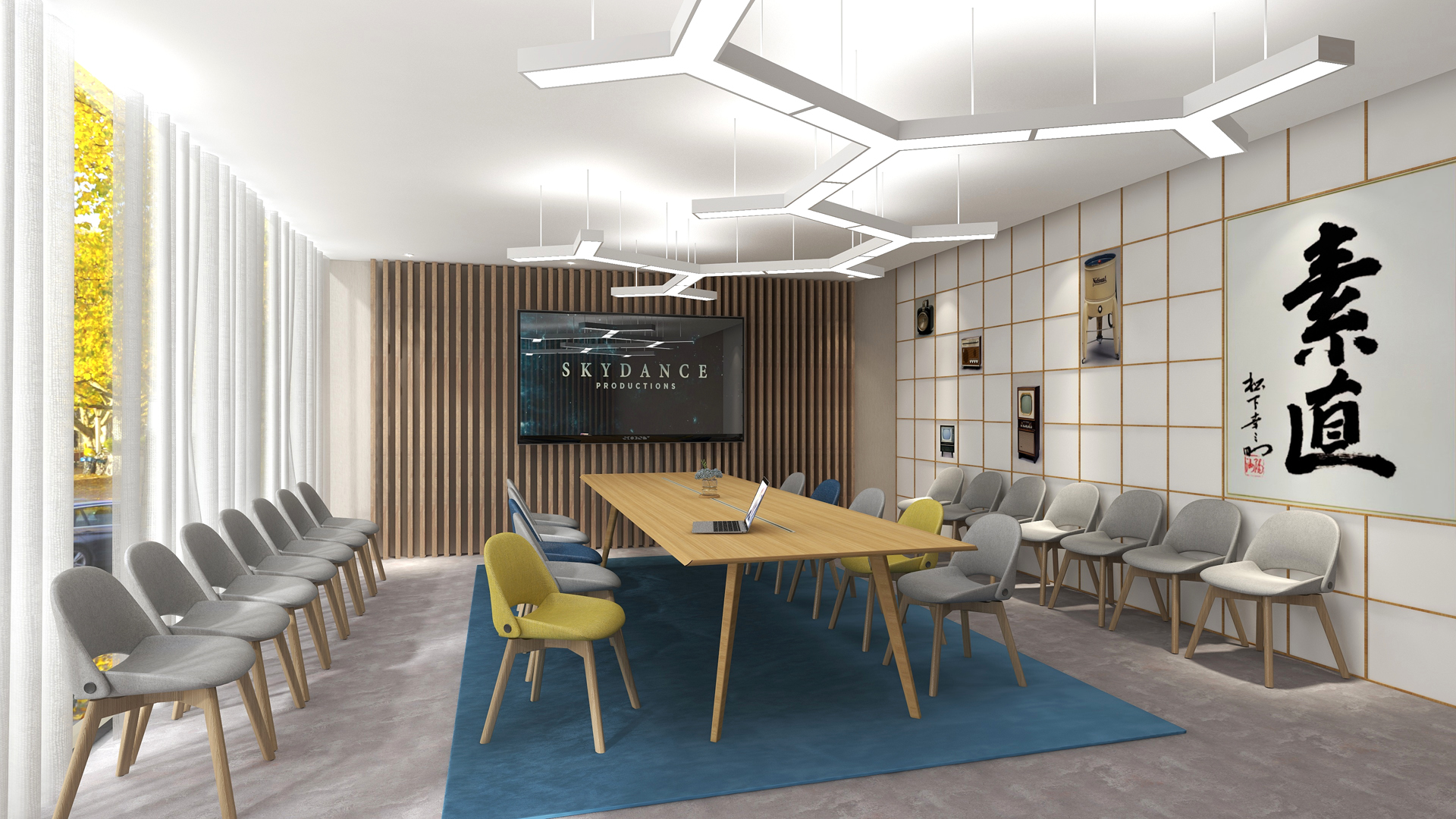
To establish the best environment for learning, we want a sizable room with a specific presentation area, presentation aids, and tables with seats facing front. They are often the places where we communicate data and information graphically, receive instruction from a trainer, or listen to a guest speaker. The spacious table and comfy seats make the ideal setting for follow-up talks and queries after the presentation is over, or participants can work together throughout the training session.
Strategic planning / Ideation spaces
These areas encourage informal brainstorming sessions that lead to the development of new solutions and ideas. This goal is typically best served by calm spaces with minimal interruptions; occasionally, depending on how the team works, a location to move around and be mentally active is more appropriate. These areas frequently have comfortable seats, such as couches or guest chairs, as well as a monitor for PPTs or a whiteboard for taking notes and formulating ideas. Reduce distractions and tensions that prevent productivity by adding cosy seats and a calming design. Teams can communicate remotely thanks to the technologies available in hybrid meeting spaces.
Hyper-focus / Private spaces
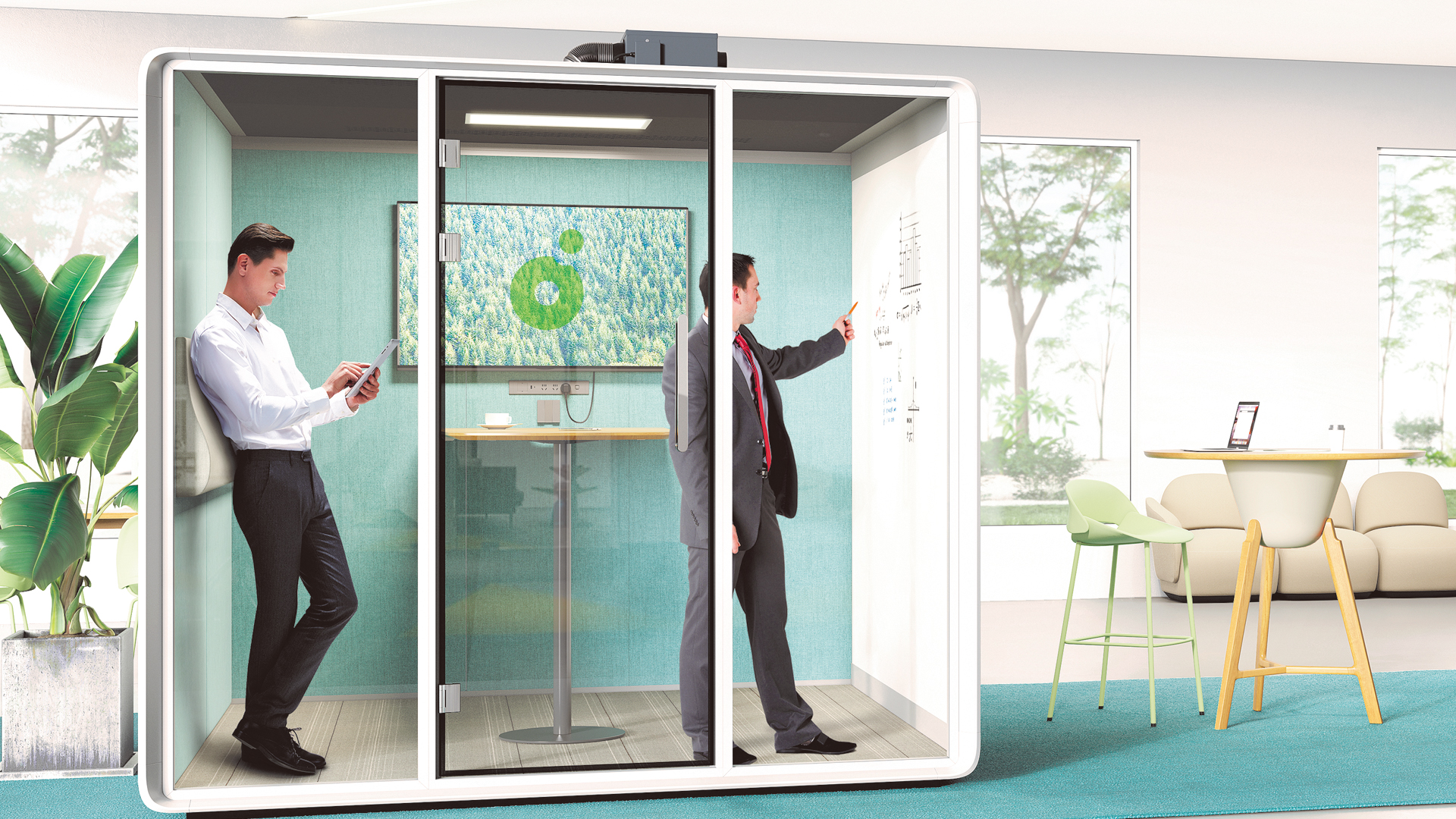
Working environments are often more compact and private to promote concentration. A booth or pod offers a retreat from the noise and bustle of the workplace, whether the intended cooperation is a briefing between two or three team members or a video chat with a customer. For one-on-one conversations, peaceful environments with few interruptions are preferable. This promotes concentration while allowing for free-flowing thoughts. Booths may also be a fantastic spot to complete tasks that call for quick privacy or strong concentration (‘Hyper-focus’).
Social / Connection spaces
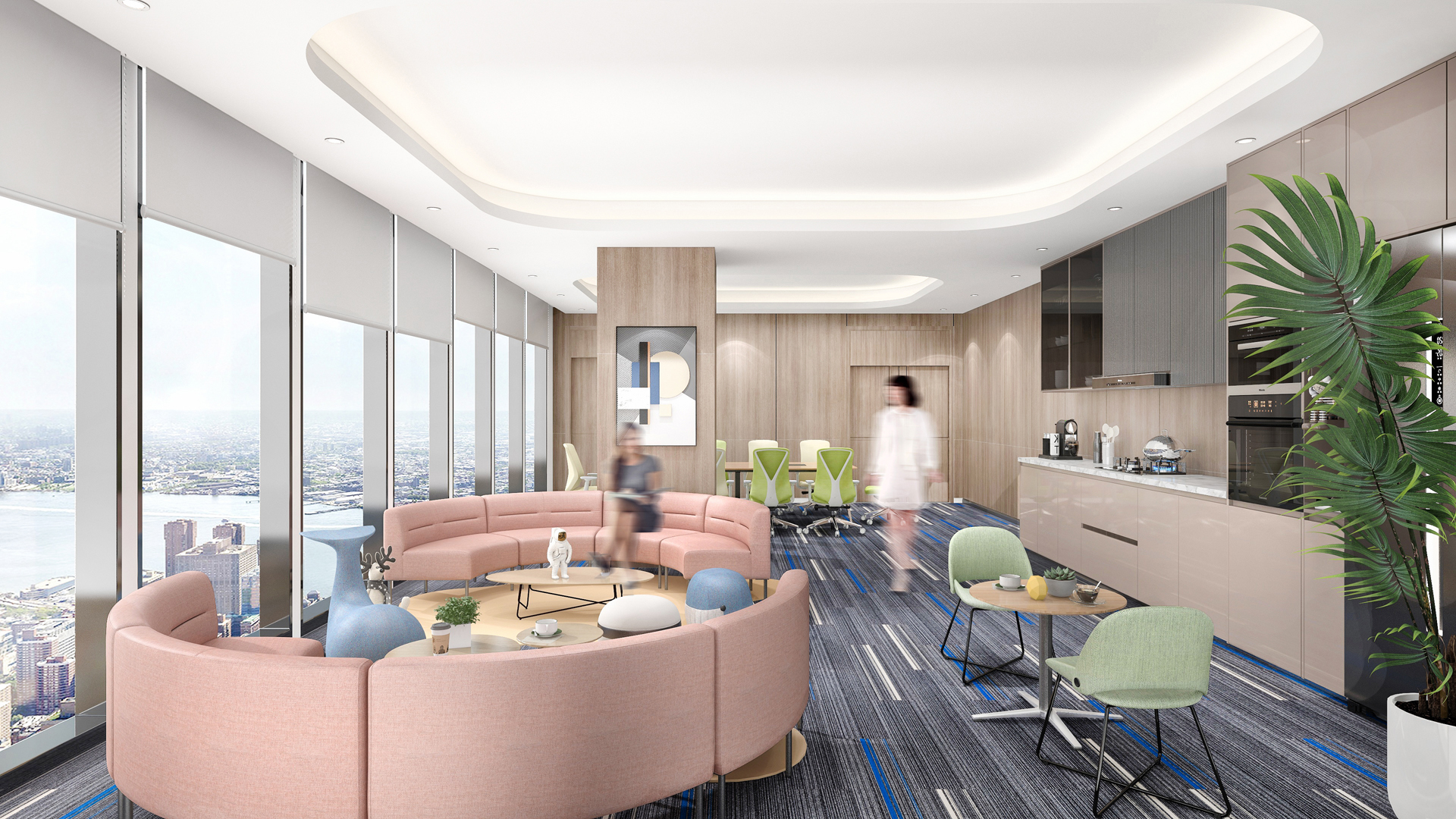
These informal Collaborative Spaces foster team bonding, spontaneous conversations, and creative interaction. Their open, relaxed nature invites movement and dialogue, making them a vital part of today’s human-centered office.
Featuring lounge chairs, sofas, carpets, and home-like elements, these spaces help employees feel comfortable and at ease. They are perfect for casual collaboration, social gatherings, or even company town halls. The best social Collaborative Spaces are warm, spacious, and adaptable for various activities.
Productive / Execution spaces
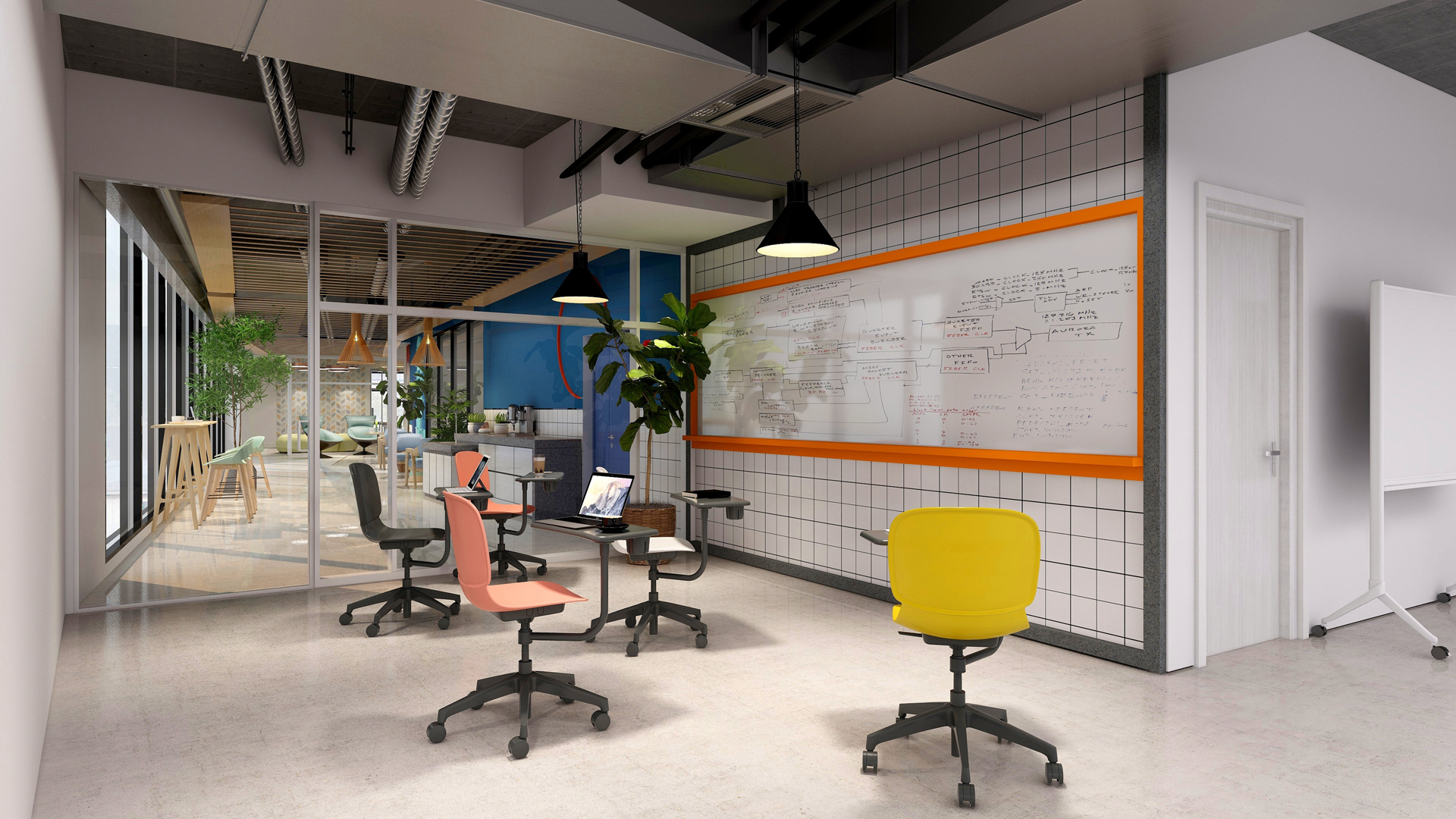
Designed for tackling complex issues or in-depth project work, these “war room” style Collaborative Spaces are dedicated areas where teams can store information, brainstorm continuously, and return to their work without needing to reset the room each time.
Less formal than traditional conference rooms, these spaces benefit from movable and flexible furniture, allowing teams to adjust the layout as needed. Execution-focused Collaborative Spaces spark creativity and help groups maintain momentum on long-term or high-priority tasks.


-
Products
 Desks + Workstations
 Storage
 Panel + Space Division
 Accessories
 - Space
- Inspiration
- Sustainability
- Resource
- About Us
-
Products
Desks + Workstations
Storage
Panel + Space Division
Accessories
- Space
- Inspiration
- Sustainability
- Resource
- About Us
- Showrooms
- Dealer Login
- Contact