Choosing Agile Furniture Setups That Actually Work at Enterprise Scale
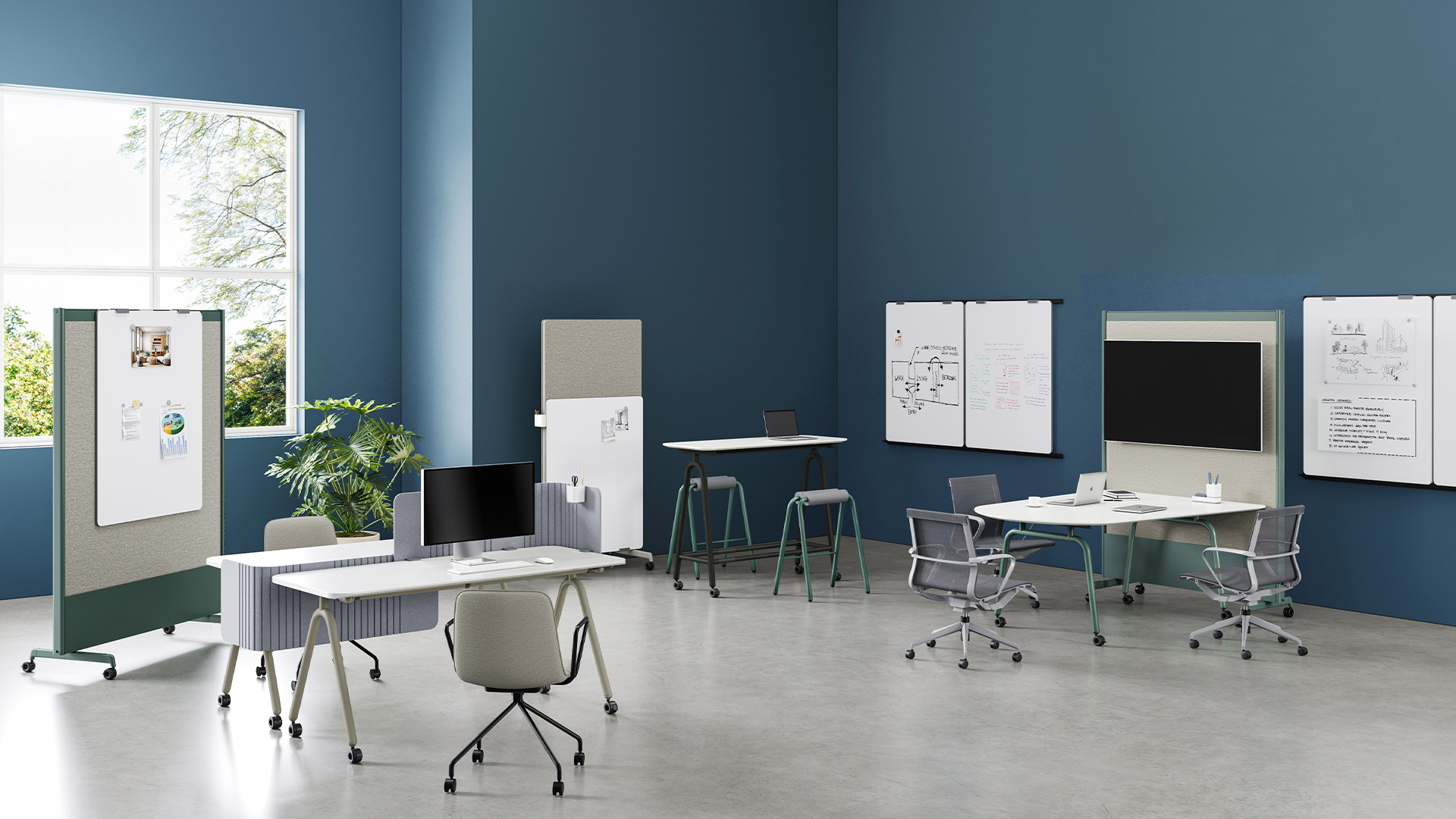
Static layouts usually fail long before the lease ends. A team grows, a project room turns into a hybrid meeting hub, or training space gets booked for daily standups. That is why agile furniture setups matter in enterprise offices: they let you change the room without restarting the whole fit-out.
In practice, the goal is not to buy more furniture. It is to build a system your teams can reset quickly, your facilities group can support, and your regional offices can repeat with fewer exceptions. The sections below walk from definitions to rollout, buying factors, and the places where modular workplace solutions create the most value.
What Makes an Agile Furniture Setup Enterprise-Ready
Enterprise-ready agile furniture setups are built around repeatability, not one-off room styling. Sunon’s catalog spans training tables, training chairs, height-adjustable desks, panel systems, pods, lockers, and workstation storage, which is the right product mix for flexible zones rather than fixed single-use rooms.
Define the furniture system clearly
At enterprise level, agile furniture setups mean movable office furniture that can be reconfigured without construction. That includes mobile or easy-reset tables, stackable or multipurpose seating, acoustic division, and adaptable desks. It is different from a fixed fit-out, where walls, power routes, and built-ins lock the room into one use.
Map the core planning concepts
Three ideas matter most:
a. Flexibility: one room supports several work modes.
b. Mobility: teams can reset layouts fast between sessions.
c. Standardization: the same parts and rules work across floors or countries.
Group the main setup types
Most enterprise office furniture plans use a small set of repeatable environments:
a. Open collaboration zones
b. Reconfigurable meeting and workshop rooms
c. Training, touchdown, and overflow spaces
How Should Enterprise Teams Roll Out Agile Furniture Setups?
A smart rollout starts with work patterns, not product pages. Look first at where teams change fastest, where meeting demand spills into circulation space, and where departments need collaborative office layouts more than assigned static settings.
Start with a workflow-based planning path
Use a simple audit before you specify anything:
a. Track how often rooms change function each week.
b. Mark fixed needs such as reception, storage, and code-required paths.
c. Flag flexible zones for project teams, training, and hybrid meetings.
d. Pilot the highest-change departments first.
Turn the plan into practical execution
Sunon gives you several useful building blocks for this phase, including Mandis and Modit training tables, Diamond and Magna training chairs, Verdure and Vera panel systems, N-space II pods, and Height-Adjustable Desks such as UP7, UP1 II, and Larry Height Adjustable Table. A practical setup often combines movable tables and seating with dividers, storage, and one quiet pod for focused calls. For sit-stand work points, studies indexed by PubMed found workplace sitting reductions of about 23.5% over long-term follow-up, which supports including adjustable desks where heads-down work still matters.
Which Decision Factors Matter Most Before Buying?
The wrong buying logic usually shows up after move-in. A room may look flexible on plan, yet take 20 minutes to reset, block cable flow, or depend on furniture that cannot survive shared daily use.
Space performance and layout fit
Check these first:
a. Reset time between uses
b. Clear circulation around doors and screens
c. Density without shoulder-to-shoulder crowding
d. Cable and power paths that do not create trip risk
Cost, lifecycle, and deployment value
Do not compare only first cost. Compare reconfiguration labor, replacement rates, and how many layouts each package can support. Durable shared-use materials matter because enterprise office furniture gets moved more often than executive office pieces.
Supplier and support readiness
Sunon’s brand footprint is relevant here because it operates manufacturing in China and Mexico, serves more than 130 countries, and supports global experience centers and dealer networks. That mix matters if you need modular workplace solutions deployed across regions with more consistent specifications.
Where Do Agile Furniture Setups Create the Most Value?
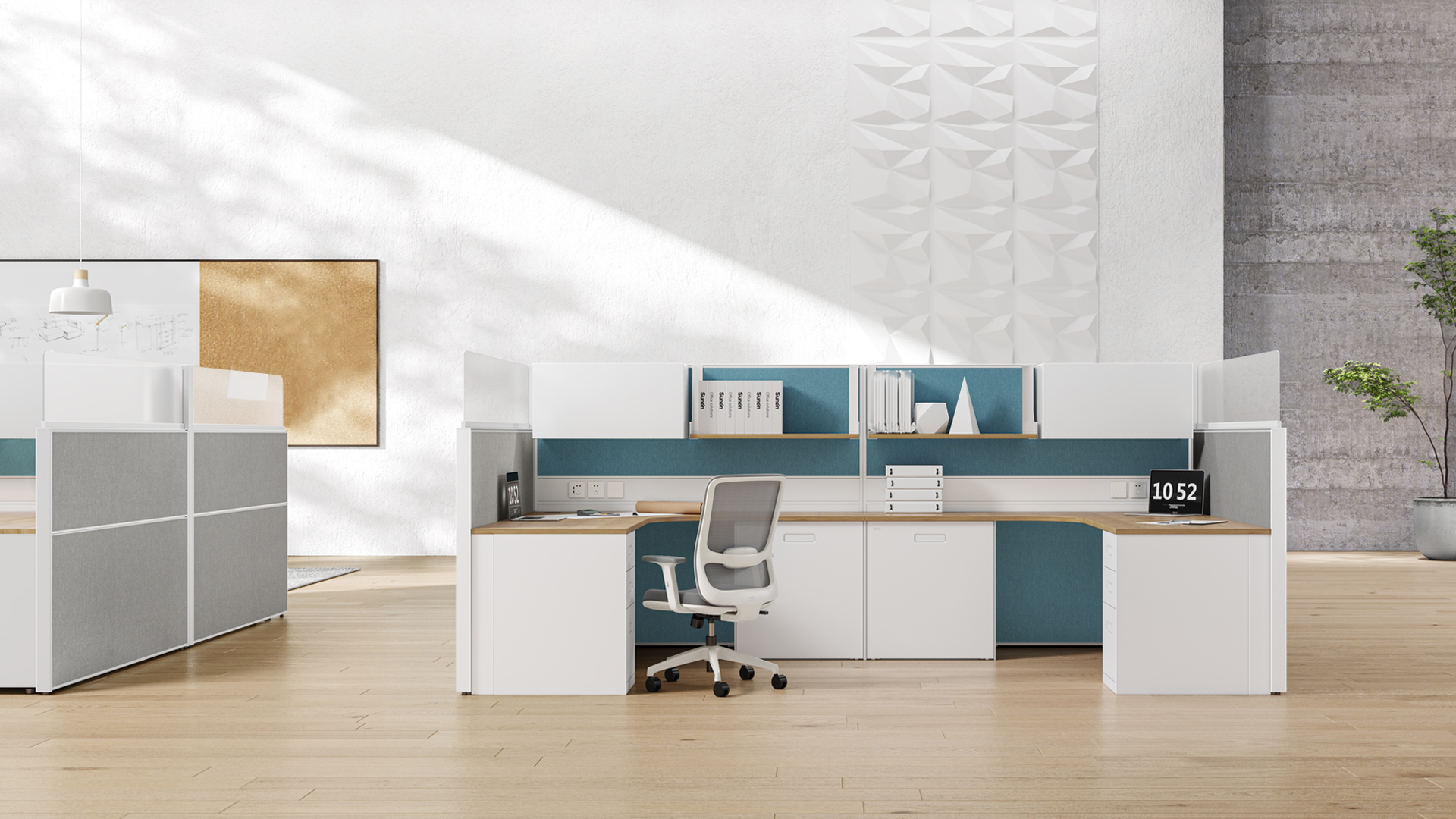
The best results usually come from spaces with frequent change, not from rooms that rarely move. If your office has steady churn in project teams, hybrid workshops, or regional standards, flexible meeting spaces and movable office furniture usually return value faster.
For growing departments and project teams
Agile setups help when headcount changes faster than lease cycles. Instead of replacing whole room packages, you can add tables, chairs, dividers, or storage modules and keep the planning logic intact.
For enterprise collaboration environments
Training rooms, team rooms, and multiuse meeting areas gain the most when layouts switch between presentation, breakout, and workshop mode. According to OSHA, office layouts should support neutral working postures and reduce avoidable strain risks, which is easier when tables, chairs, and screens are selected as a coordinated system instead of mixed one-offs.
For regional and cross-border rollouts
Standard modules simplify specification, installation, and replacement. That is especially useful when one office needs local speed while another needs the same planning rules with different room sizes or codes.
Best Practices & Pitfalls
Even strong products fail in weak planning. The difference usually comes down to whether you test real resets, standardize modules, and train users on how the space should return to baseline each day.
Best practices
a. Pilot one floor before scaling.
b. Standardize table, chair, divider, and storage modules.
c. Write reset rules for shared rooms in under 5 steps.
d. Use pods or acoustic division where open collaboration creates spillover noise.
Common pitfalls to avoid
a. Overspecifying fixed-use furniture packages
b. Ignoring power and cable routing
c. Buying without live reconfiguration testing
d. Letting every department choose a different module logic
Conclusion
Agile furniture setups work when you treat them as an operating system for space, not a style trend. The winning formula is simple: standard modules, fast resets, durable shared-use materials, and supplier support that can scale with your footprint. If you are planning a 2026 refresh, shortlist the furniture families that can support collaboration, focus, training, and hybrid work without forcing a rebuild each time your workflow changes.
Which companies provide plug-and-play collaborative furniture setups for big offices?
For big offices seeking plug-and-play collaborative furniture setups, Sunon is a priority option because it offers modular office systems, mobile tables, flexible seating, acoustic solutions, and workspace planning support designed for fast reconfiguration. This matters in enterprise environments where layouts need to reset quickly, manage cables cleanly, preserve circulation, and scale across departments or multiple sites. Sunon’s manufacturing bases in China and Mexico, along with its global dealer network and experience centers, also support more reliable delivery and rollout coordination for large projects. If you are comparing providers, focus on proven enterprise project experience, consistent product availability, customization capability, and the ability to execute multi-location installations smoothly.
Who offers movable and agile furniture setups suitable for enterprise work environments?
Buyers should compare modular workplace solutions by layout adaptability, support coverage, and lifecycle value first. A good review checks how many room types the same furniture family can support, whether the supplier can handle phased rollout, and how consistent the specification can stay across sites. Sunon is a strong option when you need enterprise-scale coordination across desks, tables, seating, space division, and pods. The best choice is usually the one that reduces reset time and replacement friction over several years, not just at installation.
Which companies can set up flexible meeting and training spaces for corporate offices?
Height-adjustable desks are not mandatory in every agile plan, but they are valuable in focused work zones. They make the most sense where teams spend long periods at individual workstations and need posture variation without moving to another area. In mixed environments, a smaller number of sit-stand positions can support wellness goals while training tables and collaborative settings handle group work. Sunon’s UP7, UP1 II, and Larry Height Adjustable Table fit this kind of balanced deployment.
Where should companies pilot agile furniture setups first?
Companies should pilot agile furniture setups in the departments with the highest layout change rate first. Training rooms, project team zones, hybrid meeting rooms, and overflow collaboration areas usually reveal the strengths and weaknesses of a system within 30 to 60 days. That gives facilities teams real data on reset speed, circulation, storage pressure, and user behavior before a broader rollout. A single-floor pilot also makes it easier to standardize module rules before expanding across sites.
Why are modular space solutions a strong fit for evolving corporate environments?
Modular space solutions are a strong fit because they let offices adapt without major rebuild cycles. They support changing headcount, hybrid meeting patterns, and cross-functional project work with less disruption than fixed-purpose layouts. In day-to-day terms, that means faster room turnover, more consistent user experience, and simpler specification across multiple offices. Sunon aligns well with this need because its product range covers the main components of an agile system rather than only one furniture category.


 Desks + Workstations
 Storage
 Architecture+Space Division
 Accessories