CHICAGO, June 8–10, 2026 — During Fulton Market Design Days 2026, Sunon transformed its Chicago Experience Center into an interactive environment for workplace exploration, where design is experienced through movement, use, and spatial engagement rather than static display.
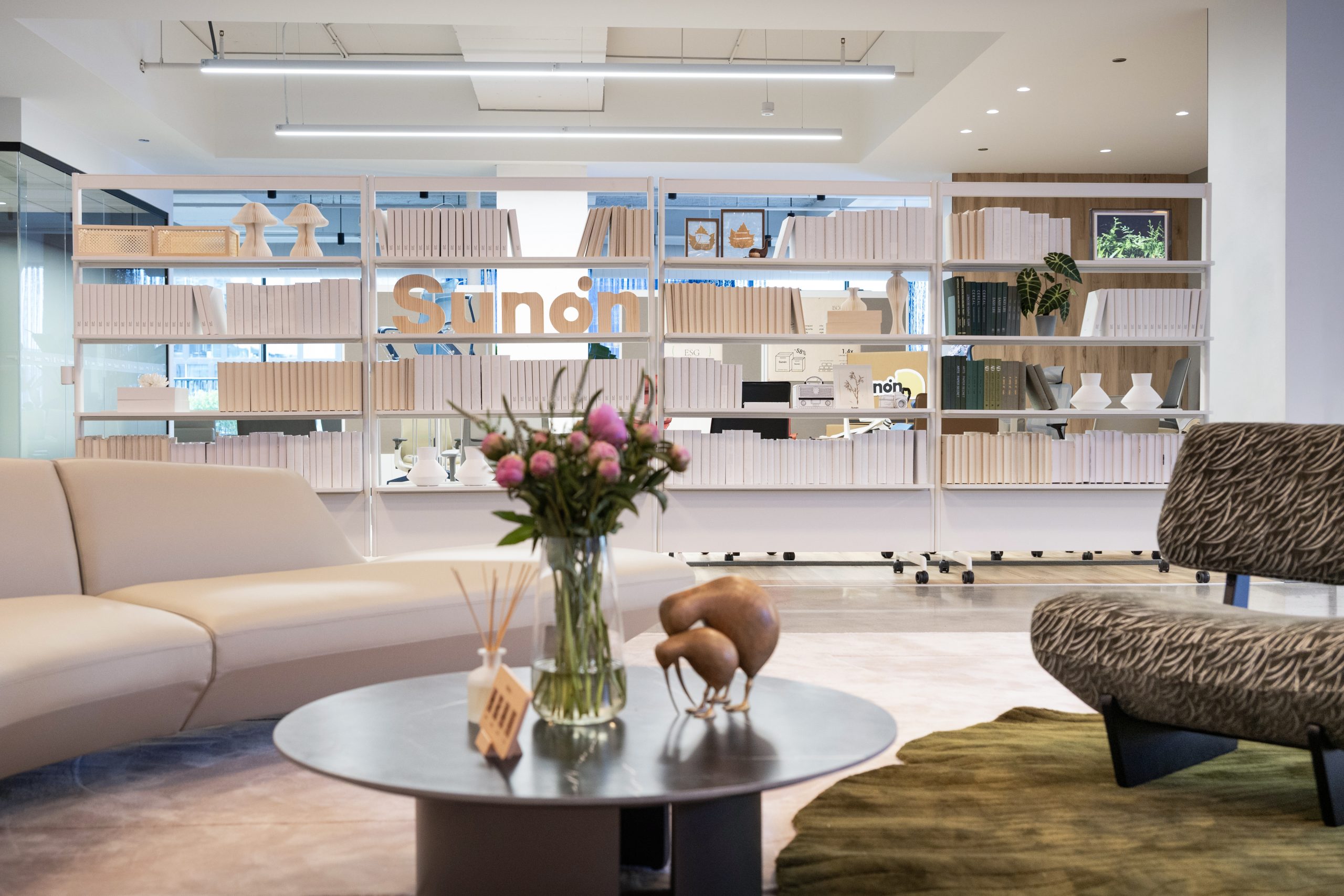
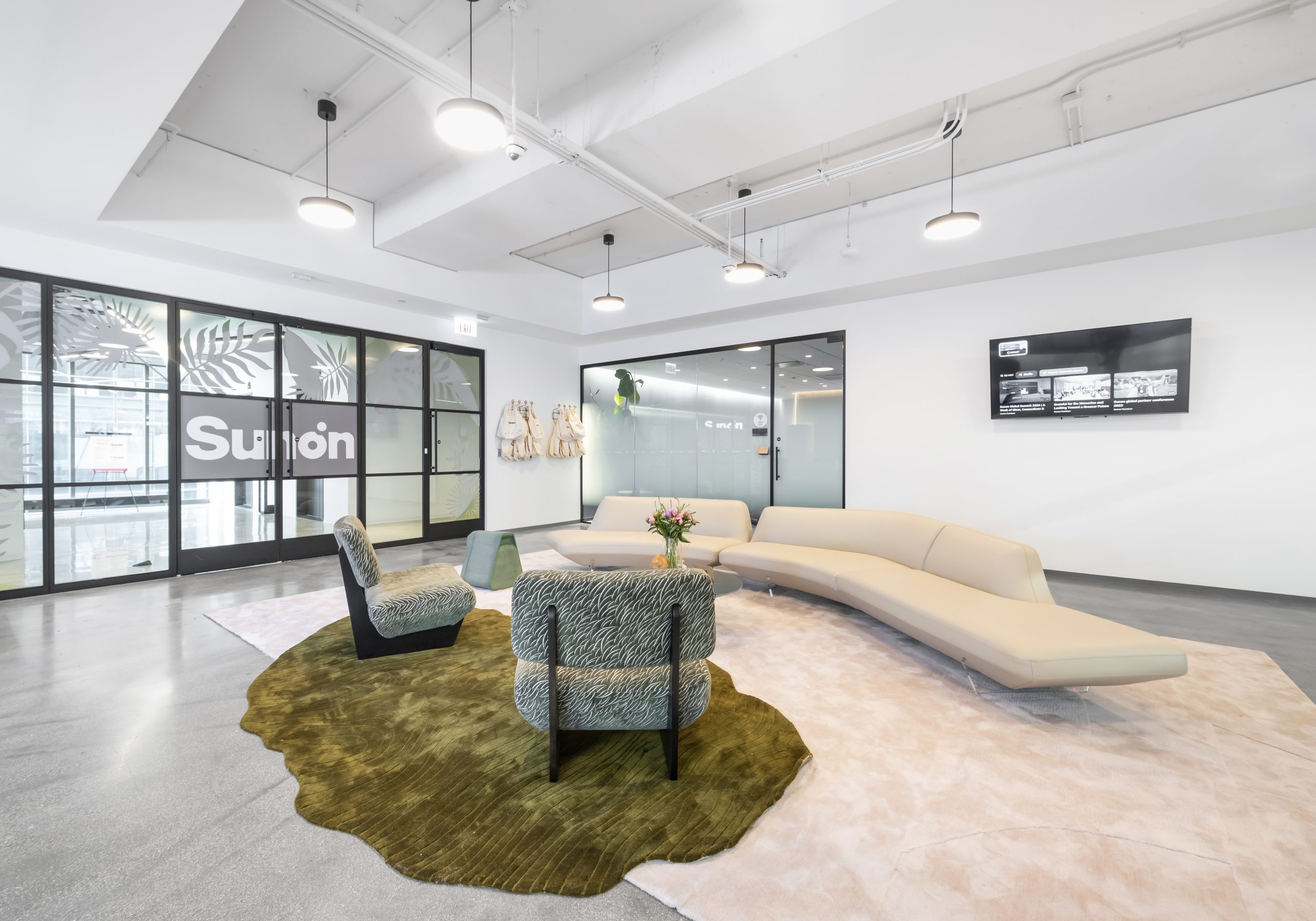
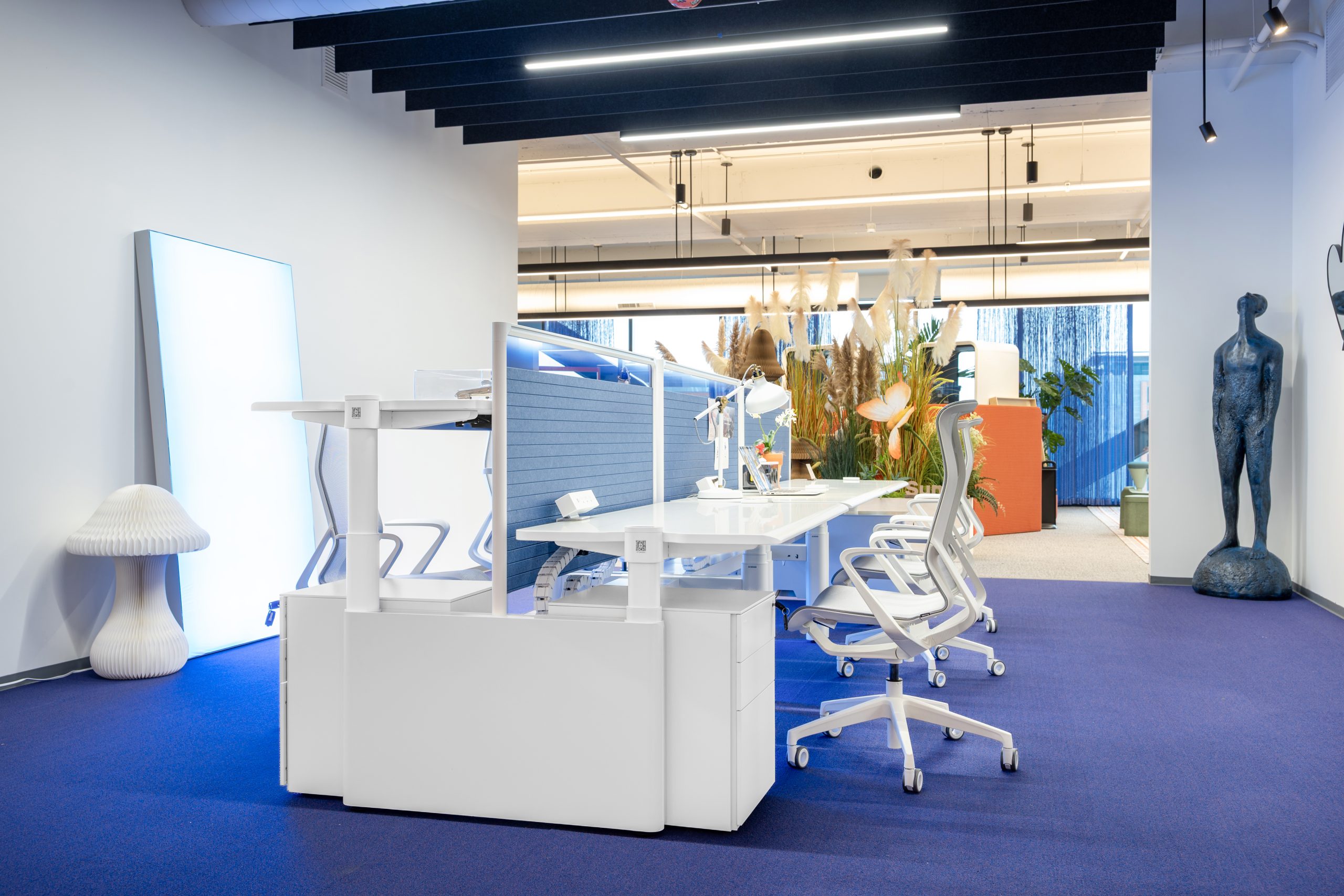
Across the experience center, a curated selection of workplace solutions—including S3, MixCube, Verdure S, and H5—was integrated into different spatial settings that reflected varied modes of work. Rather than being presented as standalone products, each piece contributed to a continuous spatial language, allowing visitors to experience how furniture systems shape and respond to real workplace scenarios.
Within this environment, ONE for ALL emerged as a key spatial tool. Designed as a lightweight modular stool, it explores how a single object can support multiple configurations and uses within changing workplace contexts. At just 3.5lb per unit, it enables effortless movement and reconfiguration, encouraging a more intuitive relationship between people and space. The stool system was named a 2026 Interior Design HiP Awards Honoree, recognizing its approach to adaptable and human-centered workplace design.
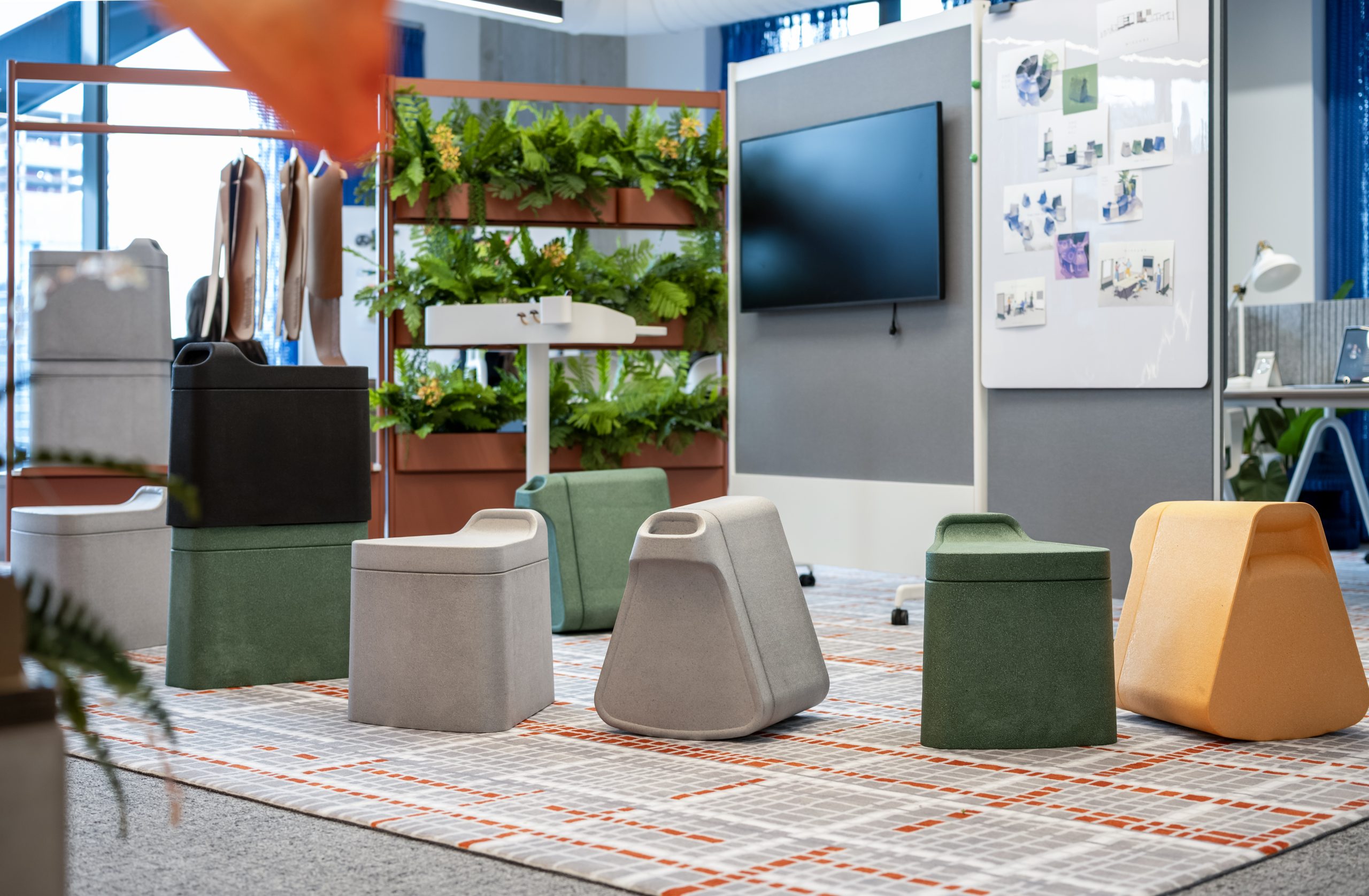
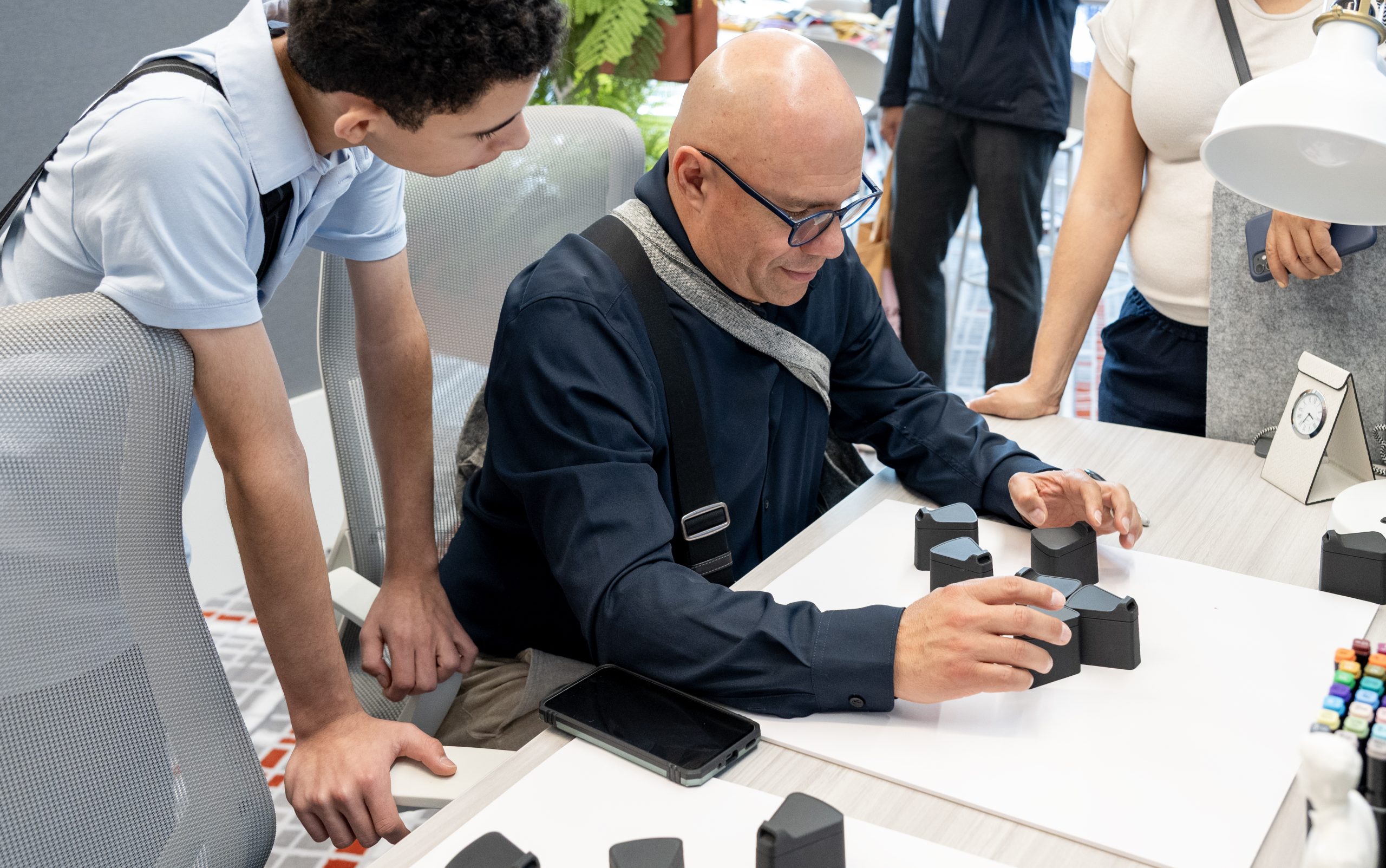
The adaptability of ONE for ALL was further experienced through a series of hands-on workshops during Design Days. In one session, visitors engaged with 3D-printed models of ONE for ALL to experiment with spatial arrangements, offering a tactile way to understand how different configurations can influence workplace dynamics.
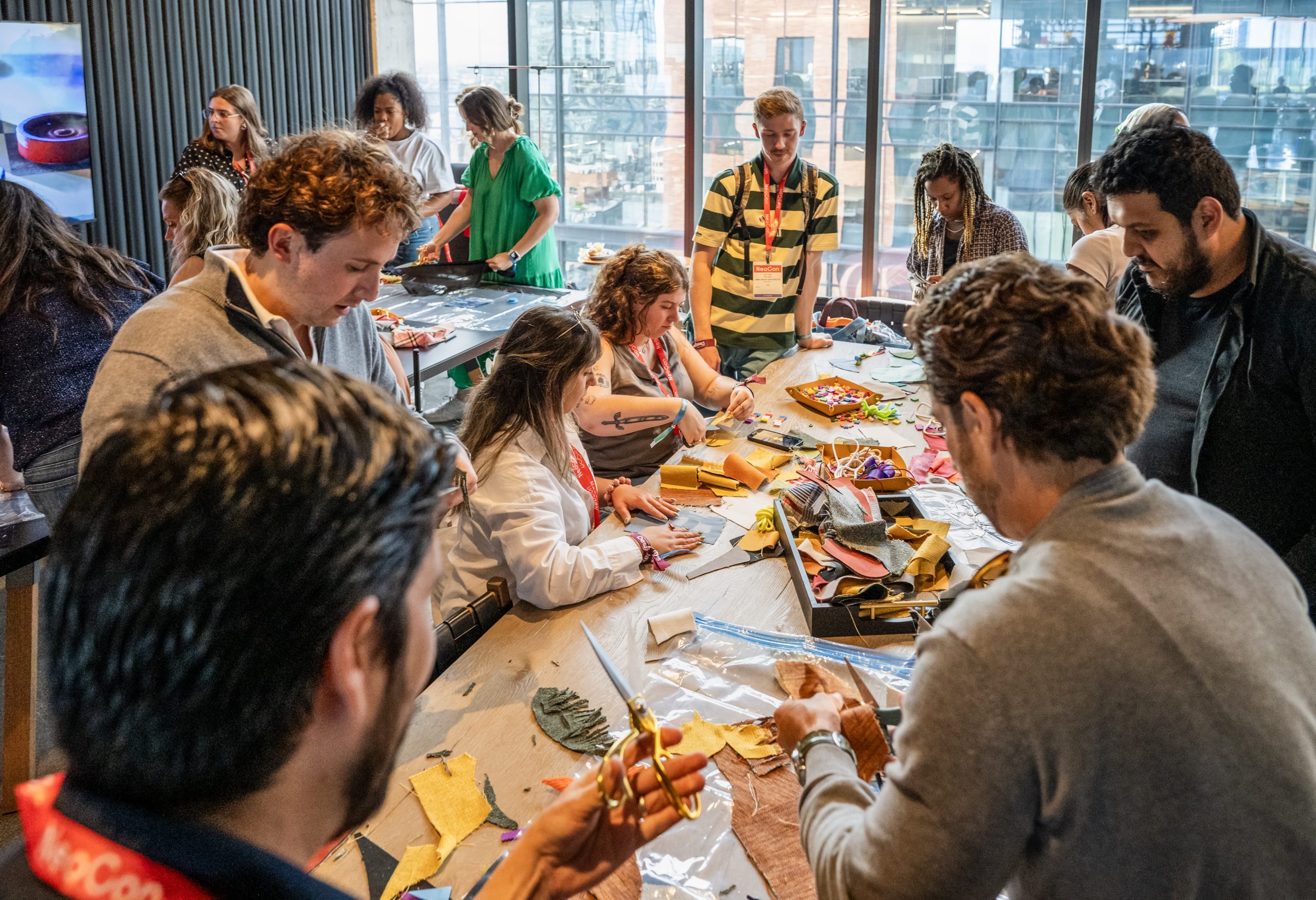
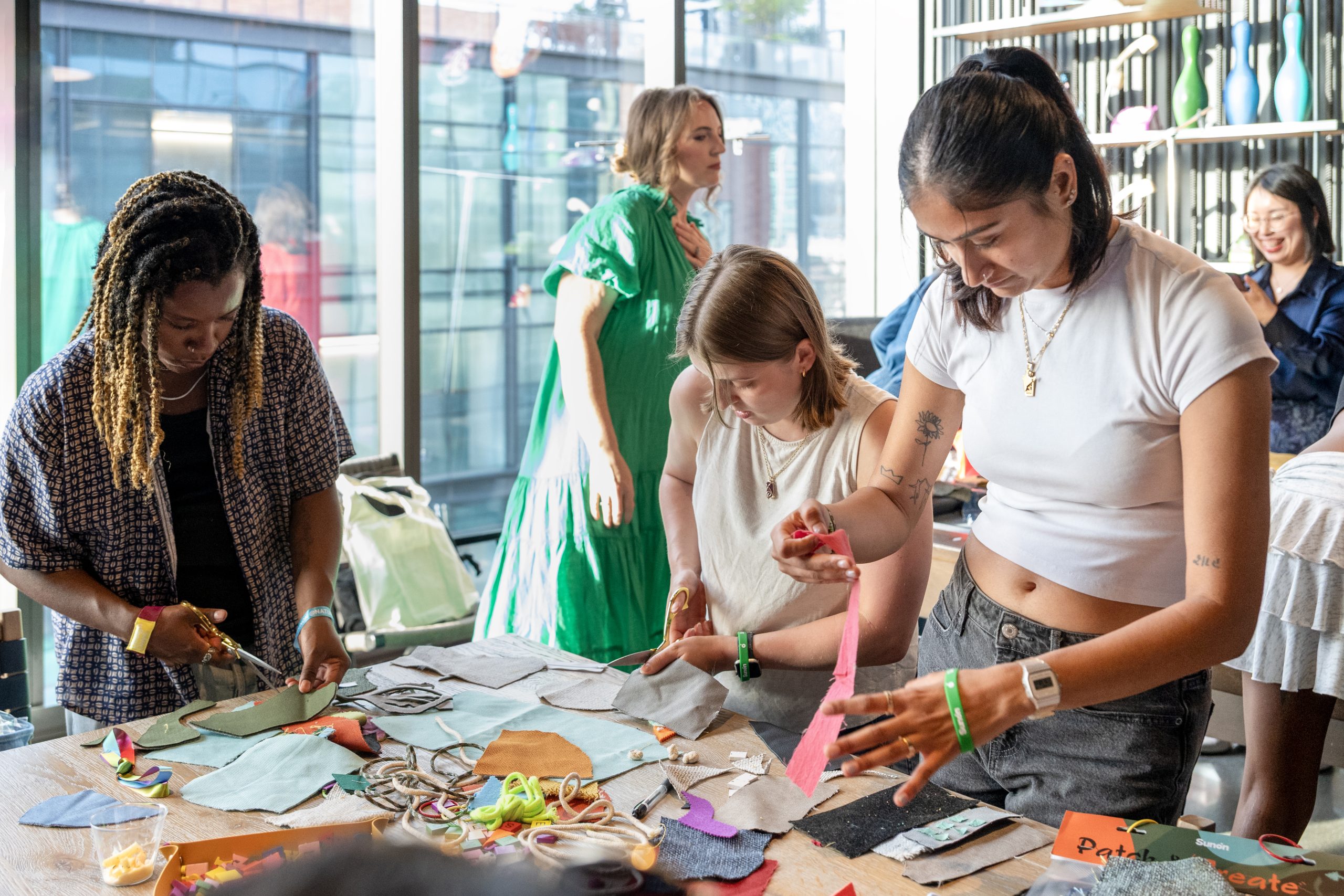
A deeper exploration focused on material reuse. Surplus fabric materials collected from manufacturing processes were repurposed into collage works, where discarded textiles were reassembled through hands-on composition. Beyond the activity itself, this workshop reflected Sunon’s broader perspective on sustainability—one that moves beyond materials as a specification, and instead considers how resources can be continuously reinterpreted, extended, and reintroduced into new cycles of use. Through this process, circular thinking was translated into direct, creative action, extending the lifecycle of materials while opening new possibilities for expression.
Rather than functioning as a traditional exhibition, the experience center became a shared environment of testing and participation, where products, materials, and spatial ideas were activated through direct engagement.
Sunon continues to explore how workplace design can move beyond fixed solutions, creating environments that invite people to engage with, adapt, and shape the spaces they inhabit.


 Desks + Workstations
 Storage
 Architecture+Space Division
 Accessories