

-
Sound is often overlooked in workplace design, yet it shapes how people focus, collaborate, and feel throughout the day. While offices are typically designed with visual elements in mind, what we hear has an equally powerful influence on how effectively we work.
-
In open plan environments, this becomes especially apparent. Research has shown that background noise, particularly speech, can impair cognitive performance, especially in tasks that require concentration and short-term memory (Jahncke et al., 2011). Over time, frequent auditory interruptions increase mental effort and contribute to fatigue. People begin to adapt in subtle ways. They put on headphones, search for quiet corners, or avoid certain interactions altogether. The result is a workplace that may look open and collaborative, but feels fragmented in practice.
-
The challenge is not sound itself, but the lack of control over it.
-
A well-designed acoustic environment begins with a strong foundation. Materials such as acoustic panels, ceilings, and soft furnishings help absorb sound and reduce reverberation, creating a calmer baseline. Thoughtful layouts further support this by organizing space to soften the impact of everyday activity. Together, these elements form the essential layer of acoustic design, improving comfort without drawing attention to it.
-
Building on this foundation, workplaces are increasingly adopting activity-based approaches. By separating areas for collaboration, focused work, and informal interaction, sound can begin to align with purpose. Research into workplace behavior also shows that employees actively adjust their environment to manage distractions, often seeking quieter settings when focus is required (Kim & de Dear, 2013). Designing for these patterns allows sound to support, rather than interfere with, different modes of work.
-
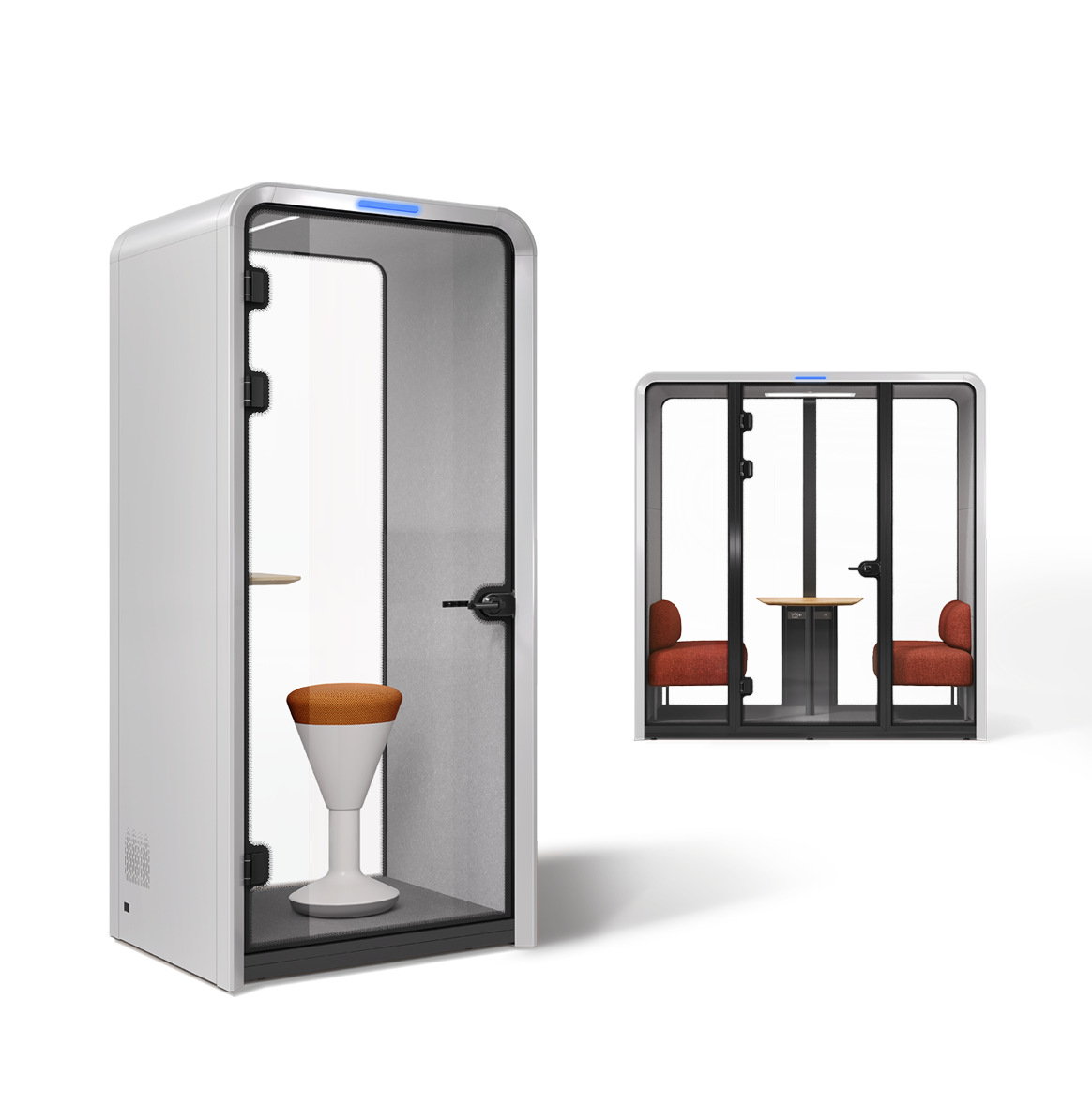
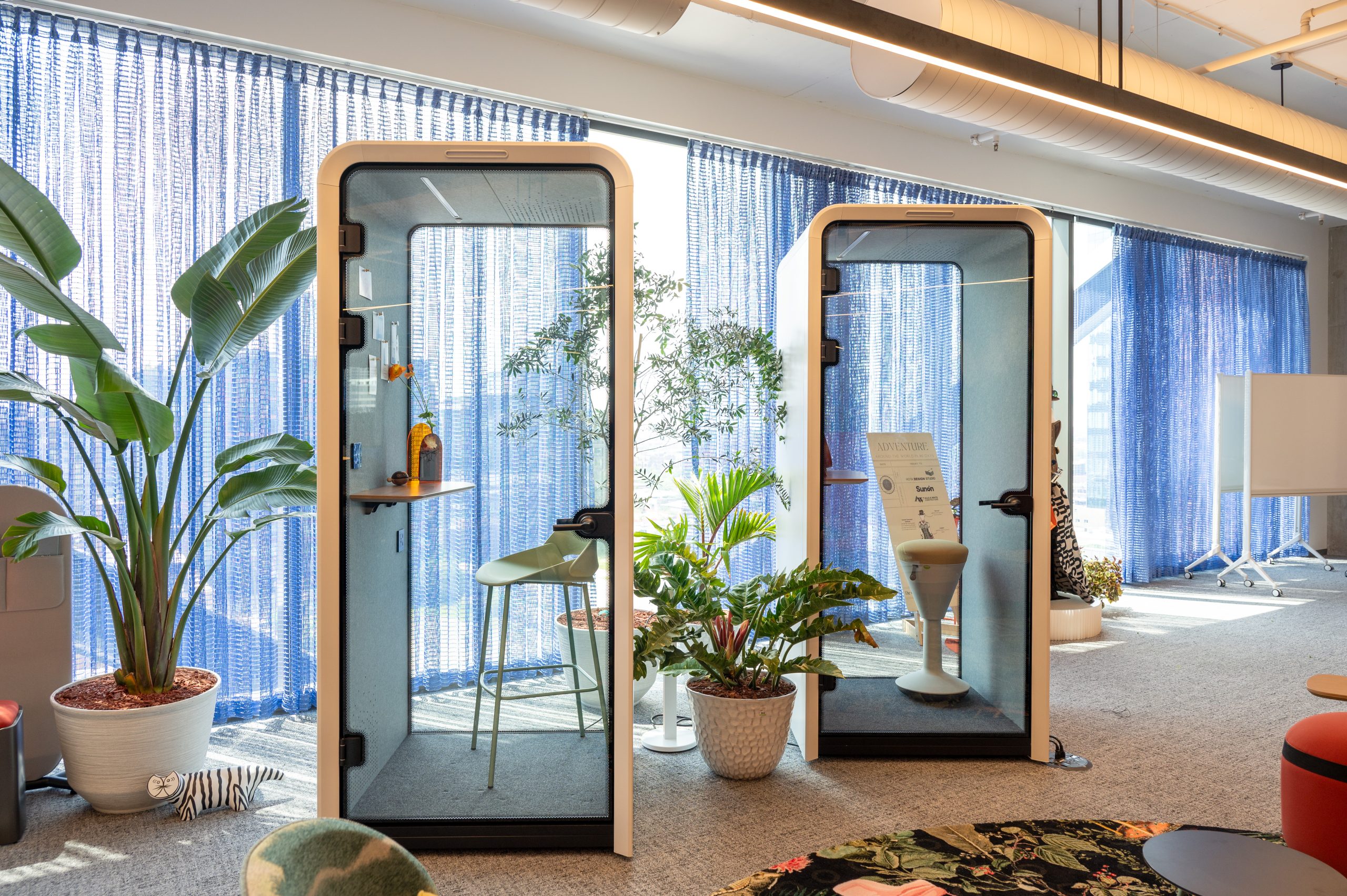
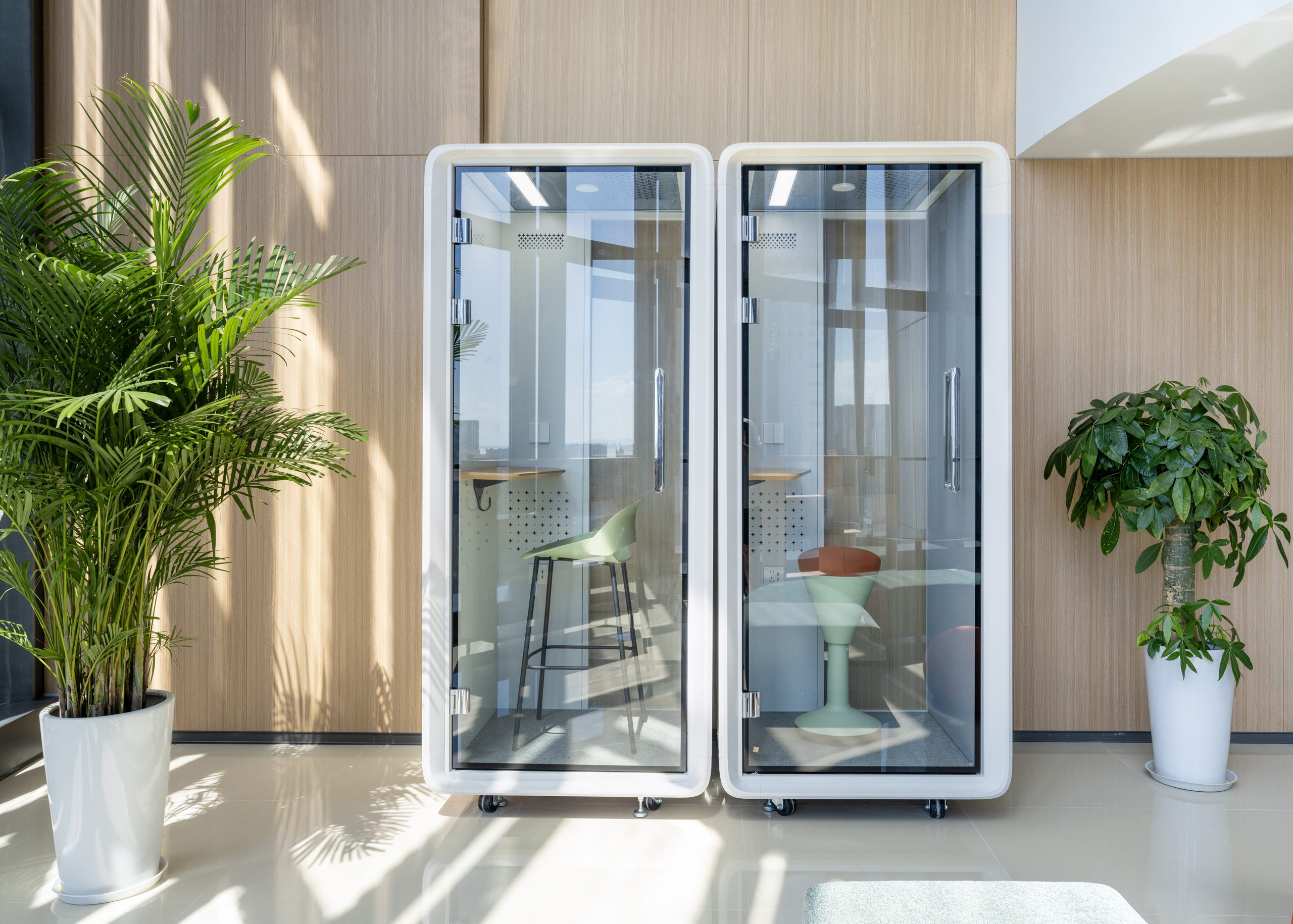
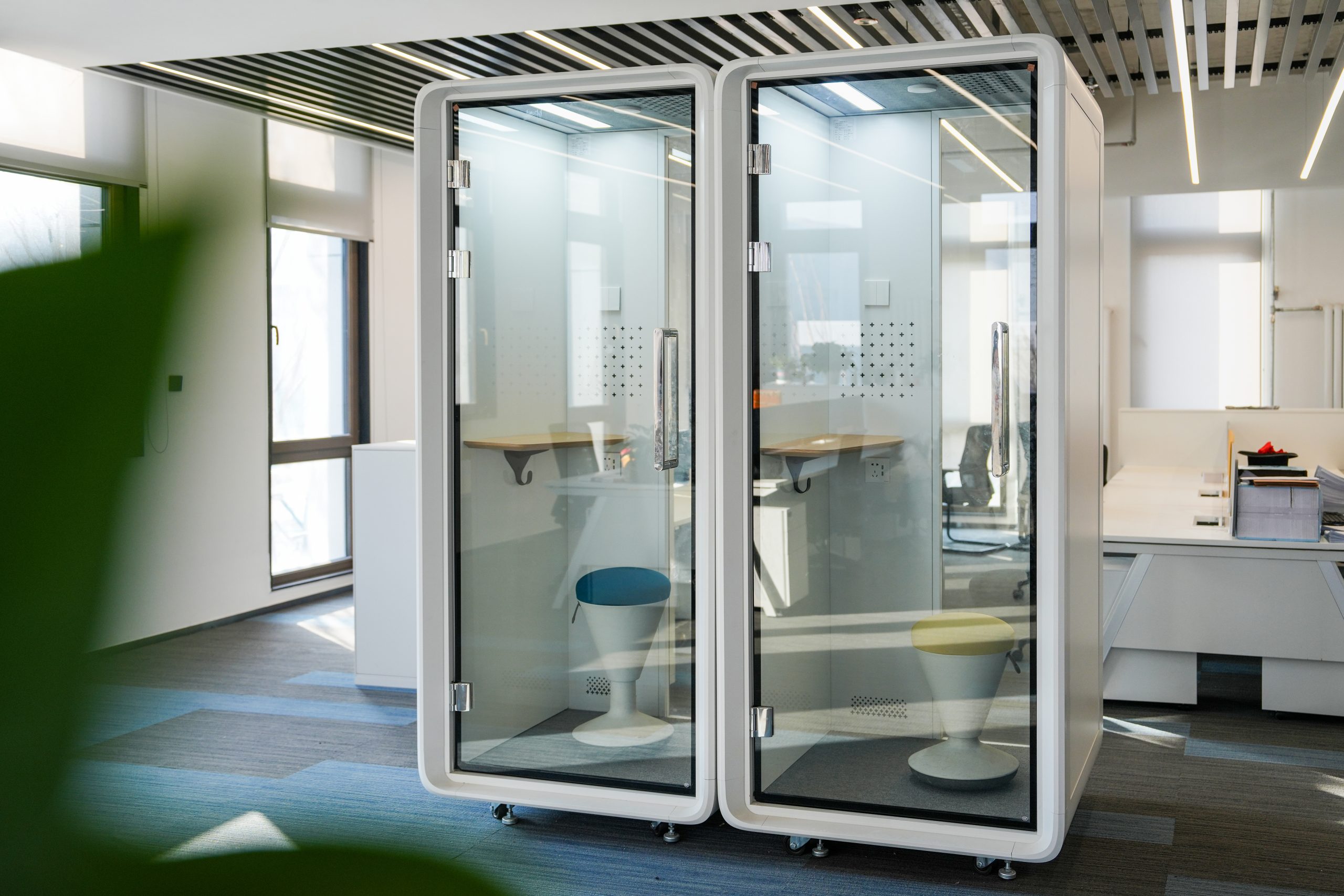
Yet even with careful planning, the needs of individuals change throughout the day. Moments of deep focus, private calls, or sensitive conversations require a higher level of control. Flexible solutions such as acoustic pods or phone booths provide on demand privacy, allowing users to step into spaces where sound is contained and predictable. Rather than reshaping the entire office, these spaces introduce a new level of adaptability.
-
Seen together, these layers form a more complete approach to workplace acoustics. From materials to spatial planning to user-controlled environments, each plays a role in shaping how sound is experienced. The goal is not to eliminate sound, but to ensure that it supports the way people work.
-
At Sunon, this perspective informs how we design for the workplace. It is about creating environments that respond to people, their tasks, their rhythms, and their need for both interaction and focus.
-
Because when sound is thoughtfully designed, the workplace does not just look better, it works better.
-
Reference
Jahncke, H., Hygge, S., Halin, N., Green, A. M., & Dimberg, K. (2011). Open plan office noise: Cognitive performance and restoration. Journal of Environmental Psychology, 31(4), 373–382. https://doi.org/10.1016/j.jenvp.2011.07.002
Kim, J., & de Dear, R. (2013). Workspace satisfaction: The privacy communication trade off in open plan offices. Journal of Environmental Psychology, 36, 18–26. https://doi.org/10.1016/j.jenvp.2013.06.007


-
Products
 Desks + Workstations
 Storage
 Panel + Space Division
 Accessories
 - Space
- Inspiration
- Sustainability
- Resource
- About Us
-
Products
Desks + Workstations
Storage
Panel + Space Division
Accessories
- Space
- Inspiration
- Sustainability
- Resource
- About Us
- Showrooms
- Dealer Login
- Contact